Search Icon





“Because it’s there” was George Mallory’s famous explanation for why he risked (and lost) his life trying to become the first person to summit Everest. We don’t all want to …
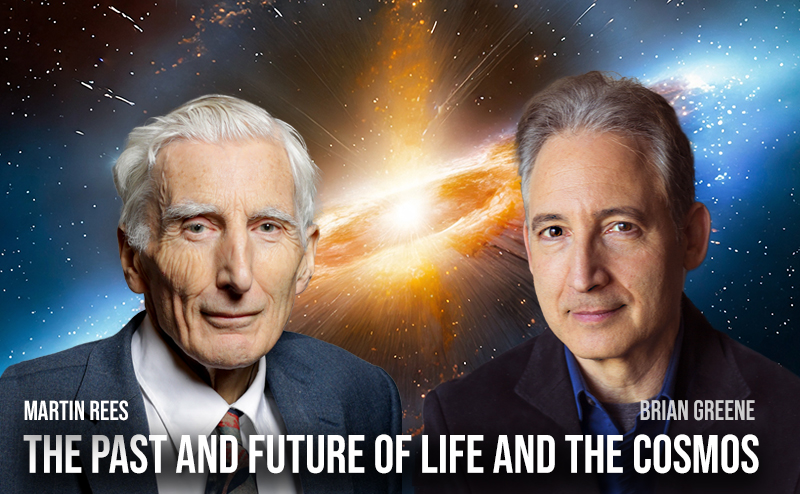
Join Brian Greene and Britain’s Astronomer Royal Martin Rees as they discuss challenges and opportunities swirling around cosmology–the big bang, dark matter, dark energy, and black holes–and the future of …
How much brain do you need to be smart? Bees and ants perform marvels as colonies, though each insect has barely any brain. And plants—with no brain at all—exhibit behaviors …
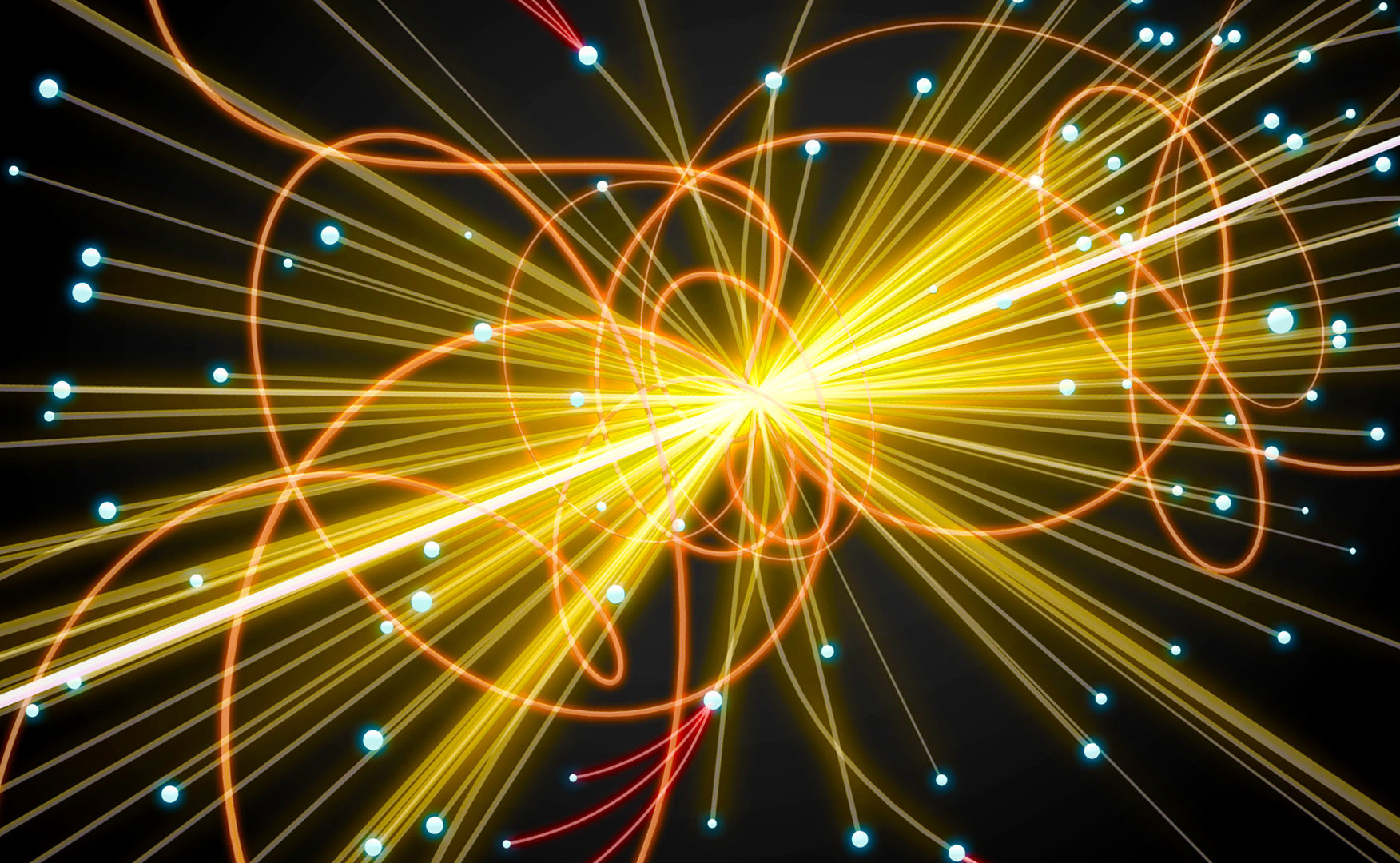
Come venture deep inside the world’s biggest physics machine, the Large Hadron Collider. This extraordinary feat of human engineering took 16 years and $10 billion to build, and just weeks ago began colliding particles at energies unseen since a fraction of a second after the big bang.

Are you drawn to Impressionism? Or more toward 3D computer art? Beauty is in the eye of the beholder. Or is it? Contrary to the old adage, there may be universal biological principles that drive art’s appeal, and its capacity to engage our brains and our interest.
Why is there something rather than nothing? And what does ‘nothing’ really mean? More than a philosophical musing, understanding nothing may be the key to unlocking deep mysteries of the universe, from dark energy to why particles have mass.