Search Icon





“Move fast and break things,” went the Silicon Valley rallying cry, and for a long time, we cheered along. Big Tech, in its infancy, spouted noble goals of bringing us …
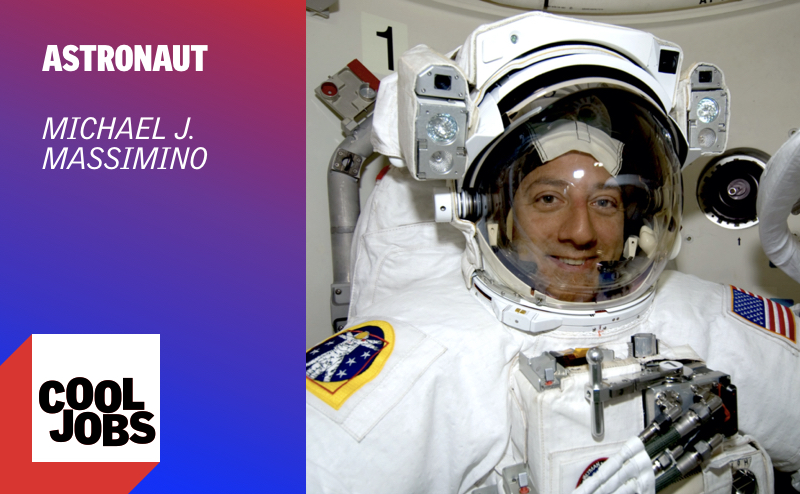
NASA astronaut Michael Massimino talks about the “right stuff” you need to work in space – a healthy helping of math and science, but also passion and patience. Listen to …
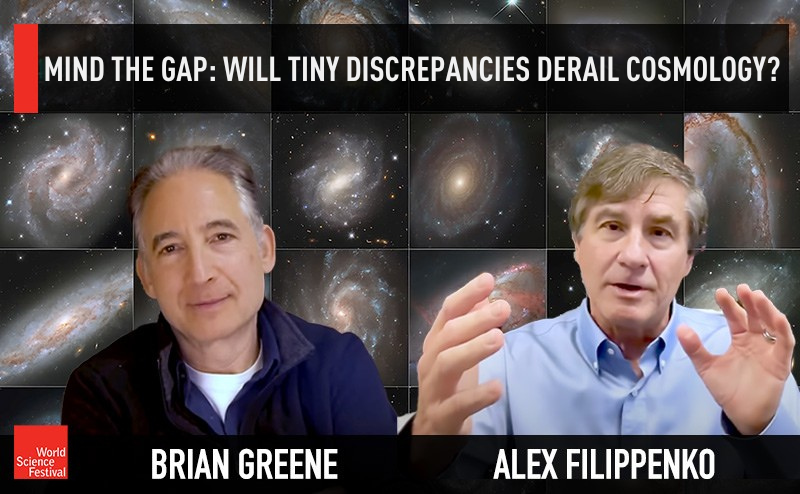
Renowned astrophysicist and educator Alex Filippenko joins Brian Greene to discuss an increasingly disturbing cosmological mismatch known as the Hubble Tension, a gap that may require a radical rewriting of …

While artificial intelligence lacks empathy, reason, and even basic common sense, we already rely on it to make major decisions that affect human lives. Who gets hired? Who gets fired? …
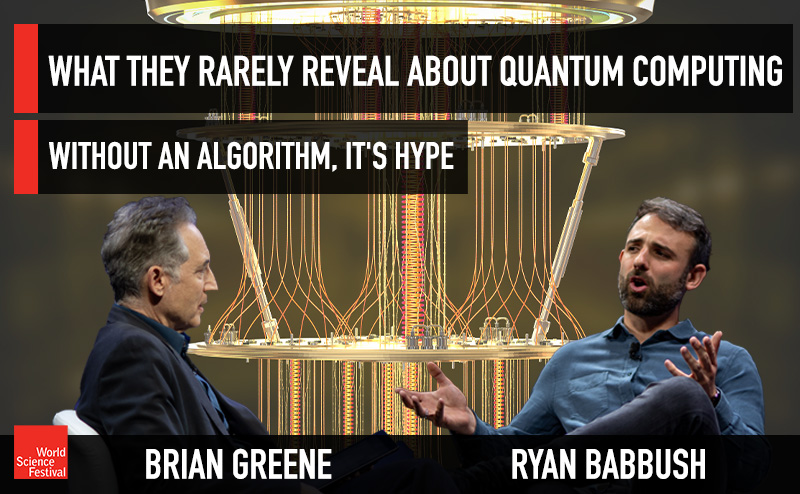
Google’s Director of Quantum Algorithms, Ryan Babbush, joins Brian Greene to discuss the central role quantum algorithms play in leveraging quantum computing to realize its potential. This program is part …

Stuff happens. The weather forecast says it’s sunny, but you just got drenched. You got a flu shot—but you’re sick in bed with the flu. Your best friend from Boston met your other best friend from San Francisco. Coincidentally. What are the odds?