Search Icon




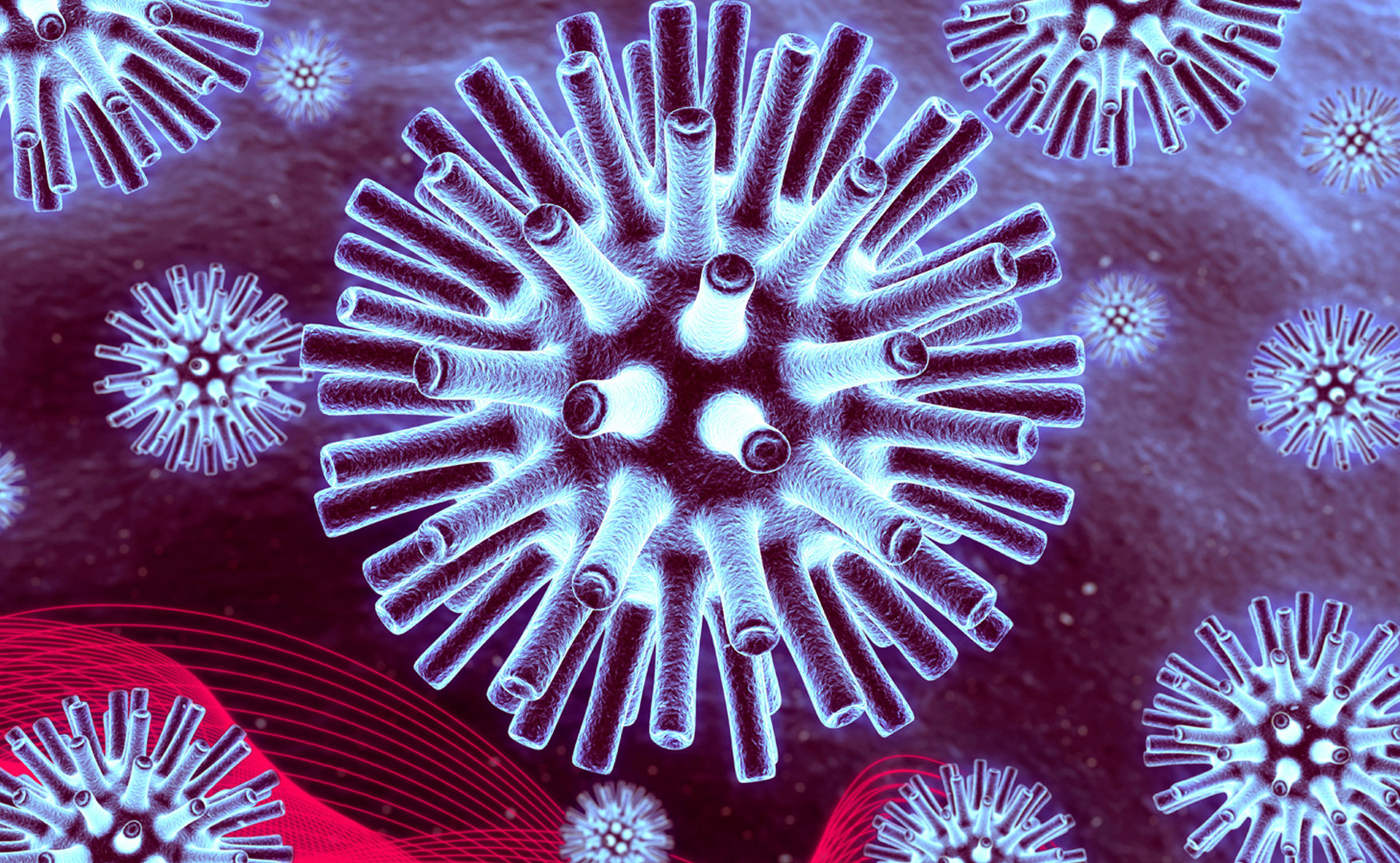
Pills the size of molecules to seek and destroy tumors. Miniscule robots performing surgery inside patients with a precision never before achieved. Nanobots, a billionth of a meter across, fixing mutations in DNA, or repairing neurons in your brain. Such are the possibilities as medicine enters the nano-era.
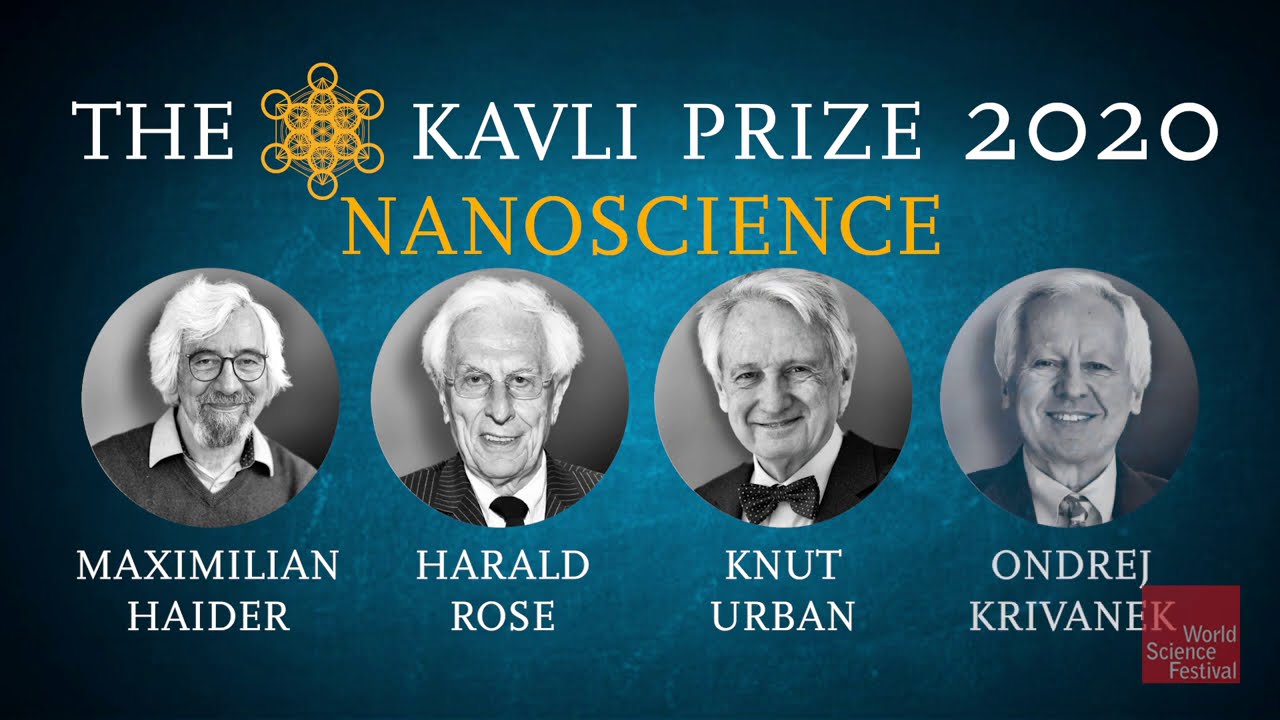
The first electron microscopes enabled scientists to finally view the nanoworld. But because of limitations in the microscope’s lenses, achieving sharp images of individual atoms was not possible. For 60 …

Every generation benefits from the insights and discoveries of the generations who came before. “If I have seen a little further it is by standing on the shoulders of giants,” …
Why are we drawn to symmetry? Because it provides order in a seemingly chaotic world? Because our brains are the product of the very same laws that yield the flower, the snowflake and the solar system?
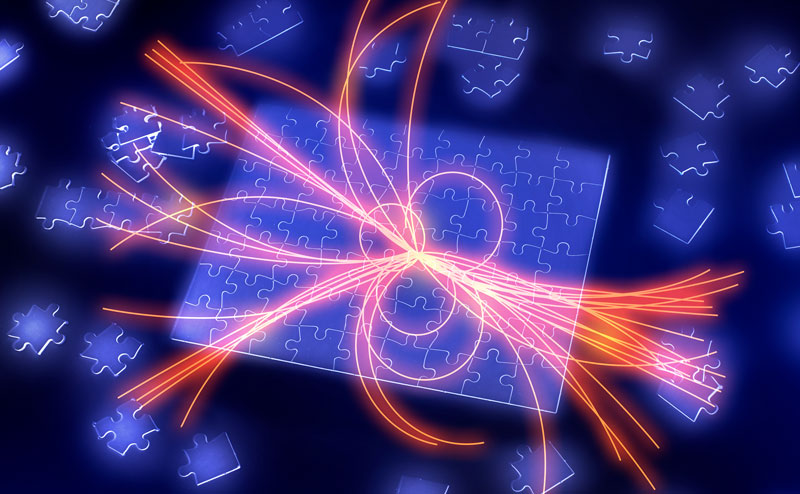
On July 4, 2012 the champagne flowed. The elusive Higgs boson—the fundamental particle that gives mass to all other particles—had been found. After generations of work, the last puzzle piece …

Getting old is an unavoidable truth of life. And yet, for most of modern history this mortal coil has baffled scientists. Over the past decade, however, researchers have made great strides in understanding the cellular, molecular, and genetic tableau of aging—which has brought the next question into sharp focus: Can aging be stopped?