

Participants
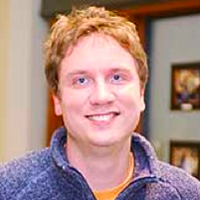
Iain Couzin is assistant professor in the Department of Ecology and Evolutionary Biology at Princeton University. He studies the actions and interactions that give rise to collective behavior—from marching ants and swarming locusts to flocking birds and crowds of people—and what we might learn from successful swarming.
Read More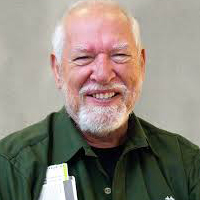
Dickson Despommier is a trailblazer, devising solutions to problems in agriculture and public health that likely will be magnified by climate change. A microbiologist, he is a Professor of Public Health at Columbia University’s Mailman School, where he developed the idea of growing food in urban farm skyscrapers.
Read More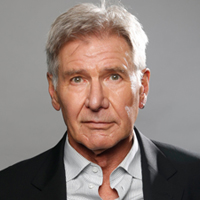
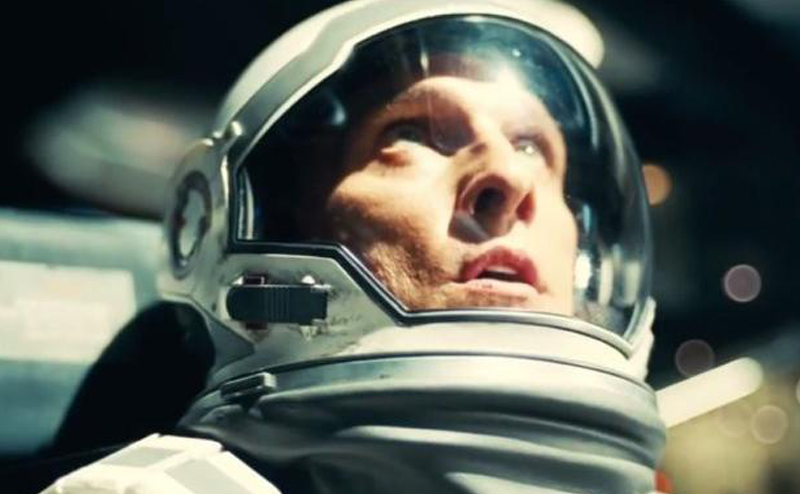
Over the course of his career, Harrison Ford has become one of the most popularly acclaimed actors of our time. His body of work includes 41 feature films, eleven of which have exceeded $100 million each at the box office.
Read More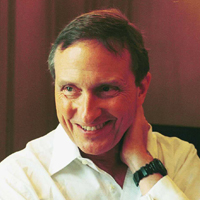
Thomas Lovejoy holds the Biodiversity Chair at the Heinz Center for Science, Economics, and the Environment based in Washington, DC, and is a recipient of the prestigious Tyler Prize for Environmental Achievement and the BBVA Foundation Frontiers of Knowledge Award.
Read More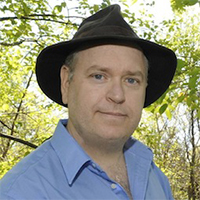
By examining historical maps and archeological records in combination with geographic computer modeling and scientific sleuthing, Eric Sanderson has reimagined the old growth forests, wetlands and meadows that Henry Hudson saw when he first arrived on the shores of Manhattan in 1609.
Read More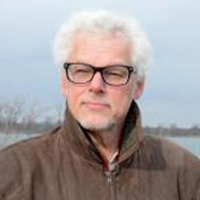
John Waldman is professor of biology at Queens College, City University of New York. Prior to this appointment in 2004, he was employed for 20 years by the Hudson River Foundation for Science and Environmental Research.
Read More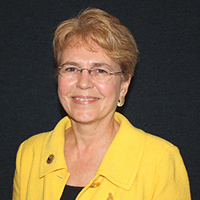
Jane Lubchenco, University Distinguished Professor at Oregon State University, is a marine ecologist with expertise in the ocean, climate change, and interactions between the environment and human well-being.
Read More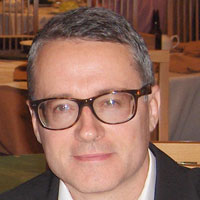
Michael Rose began his work on the evolution of aging at the University of Sussex in 1976, where he created fruit fly stocks with postponed aging. His 1991 book Evolutionary Biology of Aging offered a view of aging that was a complete departure from the views that had dominated the aging field since 1960.
Read More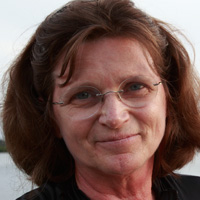
Nancy Knowlton researches the ecology, evolution, and conservation of coral reef organisms as the Sant Chair in Marine Science at the Smithsonian’s National Museum of Natural History.
Read More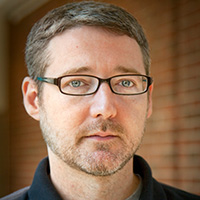
Mark Mescher is a professor of entomology who focuses on the role of plant volatiles in mediating ecological and evolutionary interactions among plants, insects, and pathogens. The main areas of interest of our lab are chemical ecology, disease ecology, co-evolution, and tritrophic interactions.
Read More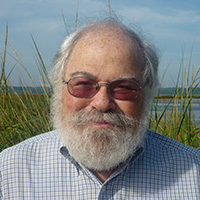
Jeffrey Levinton is Distinguished Professor of Ecology and Evolution at the State University of New York at Stony Brook.
Read More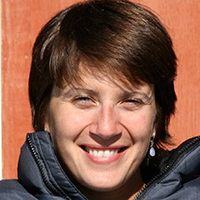
Kristin Laidre is a marine mammal ecologist at the University of Washington, Seattle working at the Polar Science Center and the School of Aquatic and Fishery Sciences. She is a member of the IUCN Species Survival Commission Cetacean Specialist Group and Polar Bear Specialist Group.
Read More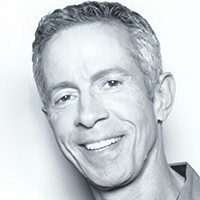
Peter Staley has been a long-term AIDS and gay rights activist, first as a member of ACT UP New York, then as the founding director of TAG, the Treatment Action Group. He served on the board of the American Foundation for AIDS Research (amfAR) for 13 years.
Read More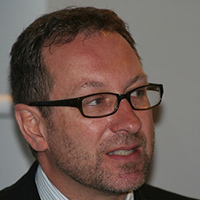
Richard Matthew is a professor in the schools of social ecology and social science at the University of California at Irvine, and founding director of the Center for Unconventional Security Affairs.
Read More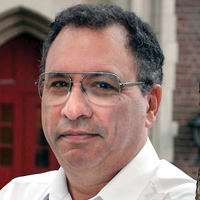
Simon Levin is a professor of biology and director of the Center for BioComplexity at Princeton University. His research centers on understanding how macroscopic patterns are maintained at the level of ecosystems and finding parallels between ecological and economic systems.
Read More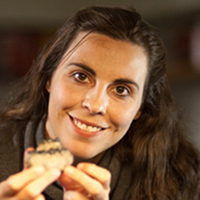
Brenna Henn is principal investigator of the Henn Lab and also teaches in the Department of Ecology and Evolution at Stony Brook University, SUNY. Her expertise is the history of African populations and diverse, indigenous populations from around the world who harbor genetic, linguistic and phenotypic variation.
Read More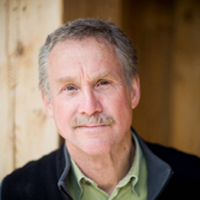
David Quammen is an author and journalist whose 12 books include The Song of the Dodo, The Reluctant Mr. Darwin, and Spillover, a work on the science, history, and human impacts of emerging diseases. Quammen is a contributing writer for National Geographic and a three-time recipient of the National Magazine Award.
Read More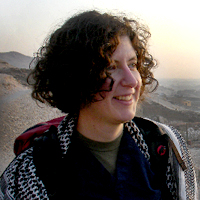
Angelique Corthals is a biomedical/forensic anthropologist who earned her PhD at the University of Oxford. Her work has focused on biomedical research, including the study of the ecology of infectious diseases and auto-immune diseases, as well as forensic anthropology in South America and the Middle East.
Read More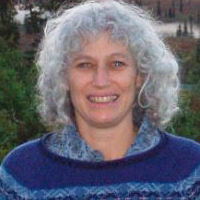
Merry Camhi is director of the Wildlife Conservation Society’s New York Seascape program. This initiative, based at the NY Aquarium, seeks to raise public awareness and action to conserve threatened marine wildlife and habitats in the New York Bight, through field research, improved policy, and education.
Read More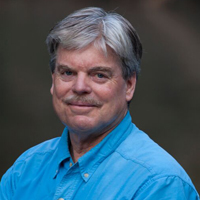
James B. McClintock is the Endowed University Professor of Polar and Marine Biology at the University of Alabama at Birmingham. He is an expert on invertebrate nutrition, reproduction, and primarily, Antarctic marine chemical ecology, climate change, and ocean acidification.
Read More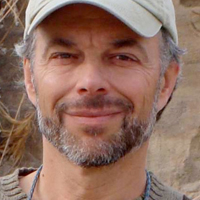
Carl Safina’s work has been recognized with MacArthur, Pew, and Guggenheim Fellowships, and his writing has won Orion, Lannan, and National Academies literary awards and the John Burroughs, James Beard, and George Rabb medals.
Read More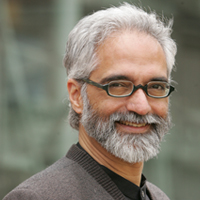
Shahid Naeem is professor of Ecology in the Department of Ecology, Evolution, and Environmental Biology and director of the Earth Institute Center for Environmental Sustainability at Columbia University. He obtained his PhD from the University of California at Berkeley, was a postdoctoral fellow at Imperial College of London, the University of Copenhagen, and University of Michigan.
Read More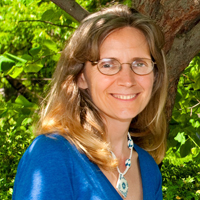
Dr. Eleanor Sterling is Chief Conservation Scientist at the American Museum of Natural History’s Center for Biodiversity and Conservation. She has over thirty years of international field research and community outreach experience in terrestrial and marine systems.
Read More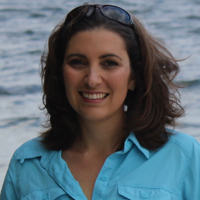
Jessica Joyner works at CUNY Brooklyn College exploring the microbiome of our daily, urban environment. Dr. Joyner’s research is centered on the microscopic life in the coastal waters and looking for specific bacteria that indicate pollution.
Read More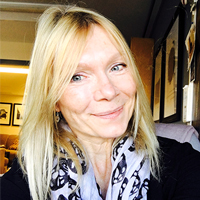
Louise Barrett was trained in both ecology and anthropology and is currently Professor of Psychology and Canada Research Chair in Cognition, Evolution & Behaviour at the University of Lethbridge. She ran a long-term project on baboons in South Africa for twelve years.
Read More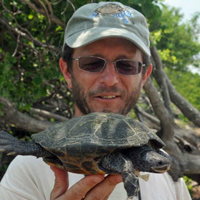
Russell Burke’s longstanding interest in reptiles was the major influence in his decision to pursue a career in biology. As a child, he collected local snakes in northern Ohio and kept them in captivity. He earned a B.S. in zoology from Ohio State University, where he fell in love with sea turtles.
Read More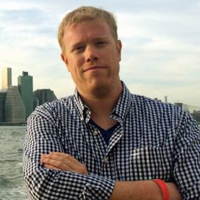
Sean Dixon is an attorney at Hudson Riverkeeper where he is primarily responsible for Riverkeeper’s New York City Programs. Dixon is also an Adjunct Professor of Law at Pace Law School and Senior Fellow of the Environmental Leadership Program.
Read More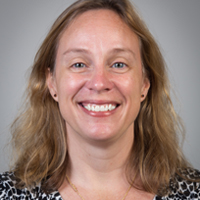
Dr. Eugenia (Genia) Naro-Maciel is a Clinical Assistant Professor of Liberal Studies at New York University and a graduate of Yale University. She received her M.A. and Ph.D. degrees in Ecology, Evolution, and Environmental Biology from Columbia University. She has co-authored numerous educational materials on protected areas and biodiversity conservation.
Read More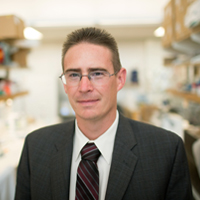
Rob Knight is Professor of Pediatrics and Computer Science & Engineering and is Director of the Center for Microbiome Innovation at the University of California San Diego. He authored Follow Your Gut: The Enormous Impact of Tiny Microbes.
Read More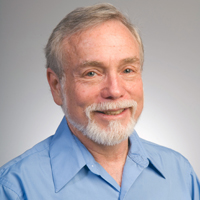
Fred Gould is Co-Director of the Genetic Engineering and Society Center of North Carolina State University. He conducts research on the application of evolutionary biology and population genetics to sustainable use of insect resistant crops and genetically engineered agricultural pests.
Read More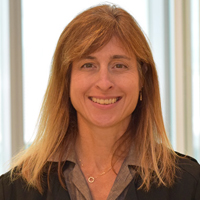
Dr. Dianne Greenfield studies the complex environmental feedbacks between global change stressors (such as urbanization, nutrients, and climate) and coastal phytoplankton ecology, physiology, and biogeochemistry.
Read More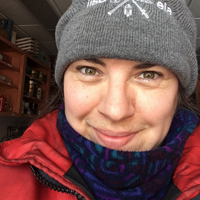
Cyndy Desjardins is a Food Web Biologist at the International Institute for Sustainable Development Experimental Lakes Area. She has extensive field experience in limnology research, having managed and trained both laboratory teams and fieldwork teams in a large-scale, multi-year aquatic ecology project.
Read More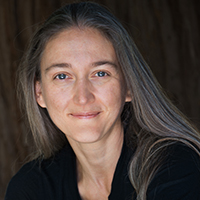
Monica Gagliano is a research associate professor in evolutionary ecology. She is based at the University of Sydney as a Research Affiliate at the Sydney Environment Institute and a Senior Research Fellow at the School of Life and Environmental Sciences.
Read More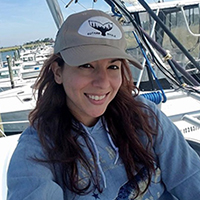
Danielle M. Brown is a PhD student at Rutgers University and an associate researcher with Gotham Whale. Her doctoral research focuses on the foraging ecology of humpback whales in New York and New Jersey, and she assists in managing the New York City Humpback Whale Catalog.
Read More