

















Participants
Called the “Renaissance Man of Evolutionary Biology” by The New York Times, Francisco J. Ayala has made significant and wide-ranging experimental and theoretical contributions to evolution theory.
Read More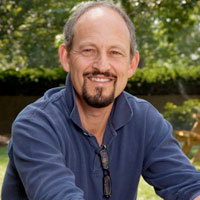
Marc Hauser’s award-winning research, at the interface between evolutionary biology and cognitive neuroscience, is aimed at understanding how the minds of human and nonhuman animals evolved.
Read More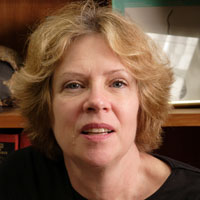
Margaret S. Livingstone is best known for her work on visual processing, which has led to a deeper understanding of how we see color, motion, and depth, and how these processes are involved in generating percepts of objects as distinct from their background.
Read More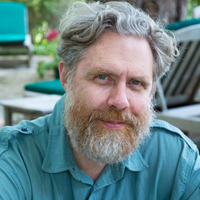
George Church is professor of genetics at Harvard Medical School and director of PersonalGenomes.org, providing the world’s only open-access information on human Genomic, Environmental, and Trait data (GET). His 1984 Harvard Ph.D. included the first methods for direct genome sequencing, molecular multiplexing, and barcoding.
Read More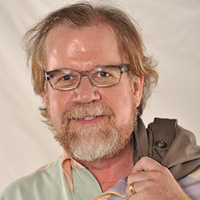
Mark Moffett began doing research in biology in college and went on to complete a PhD at Harvard. Moffett is known for documenting new animal species and behaviors during his exploration of remote places in more than a hundred countries.
Read More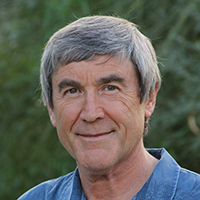
Paul Davies is a theoretical physicist, cosmologist, astrobiologist, and best-selling author. He is Regents’ Professor at Arizona State University, where he is Director of Beyond: Center for Fundamental Concepts in Science.
Read More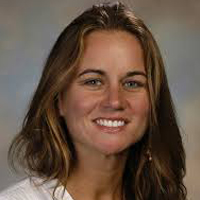
Dr. Kristin Baldwin is an assistant professor in the Department of Cell Biology at the Scripps Research Institute in La Jolla, California. Baldwin’s research harnesses cutting-edge stem cell technology and cloning.
Read More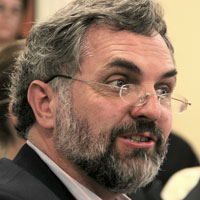
Oliver Goodenough’s research and writing at the intersection of law, economics, finance, media, technology, neuroscience and behavioral biology make him an authority in several emerging areas of law and its application in society.
Read More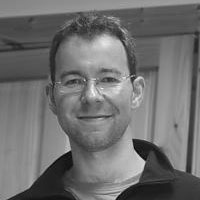
Jeremy Niven’s research focuses on the interface between neuroscience, behavior and evolutionary biology in the insect nervous system.
Read More
Iain Couzin is assistant professor in the Department of Ecology and Evolutionary Biology at Princeton University. He studies the actions and interactions that give rise to collective behavior—from marching ants and swarming locusts to flocking birds and crowds of people—and what we might learn from successful swarming.
Read More
Dominic Johnson received a D.Phil. in evolutionary biology from Oxford University and a Ph.D. in political science from Geneva University.
Read More
Tyrone Hayes is Professor of Integrative Biology at the University of California at Berkeley. He transformed his childhood love of tadpoles, frogs and toads into a serious study of the connections between pesticides, amphibians, and the impact of molecular changes on the public health environment.
Read More
Hazel A. Barton has explored caves on five continents, studying microorganisms to research cures for antibiotic-resistant diseases. She coordinates an active undergraduate research laboratory, including a National Institutes of Health funded study examining microbial responses to starvation and a National Science Foundation funded project examining the energetic interactions of bacteria in cave environments.
Read More
Aneela Gillani, a junior at Manhattan Center for Science and Mathematics, is passionate about biology and is working towards a career in medicine. Her extracurricular activities include Model United Nations and the National Honors Society, and she’s also enrolled in the Advanced Science Research program.
Read More
Nicola Clayton is professor Comparative Cognition in the Department of Experimental Psychology at Cambridge University and a Fellow of Clare College. Clayton’s work in integrating biology and psychology led to a re-evaluation of the cognitive capacities of animals, particularly birds, resulting in a theory that intelligence evolved independently in at least two disparate groups, apes and corvids.
Read More
At Duke University, neurobiologist Erich Jarvis leads a team that studies the abilities of songbirds, parrots and hummingbirds to learn new sounds and pass along a vocal repertoire in to the next generation.
Read More
Thomas Lovejoy holds the Biodiversity Chair at the Heinz Center for Science, Economics, and the Environment based in Washington, DC, and is a recipient of the prestigious Tyler Prize for Environmental Achievement and the BBVA Foundation Frontiers of Knowledge Award.
Read More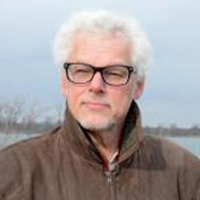
John Waldman is professor of biology at Queens College, City University of New York. Prior to this appointment in 2004, he was employed for 20 years by the Hudson River Foundation for Science and Environmental Research.
Read More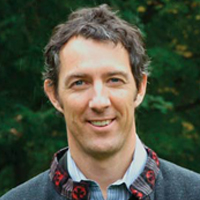
Alex Matthiessen is the President of Riverkeeper. By forging partnerships with leading academic and research institutions, he has strengthened and expanded Riverkeeper’s environmental enforcement efforts and advanced scientific understanding of the Hudson River.
Read More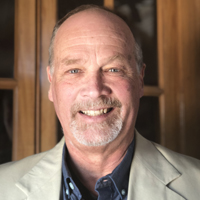
Ken Miller is professor of Biology at Brown University. He serves as life science advisor to the NewsHour on PBS and is coauthor, with Joseph S. Levine, of Biology textbooks used by millions of students. In 2005, he served as lead witness in the trial on evolution and intelligent design in Dover, Pennsylvania.
Read More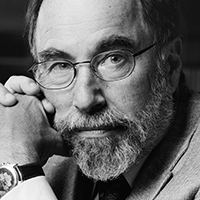
After serving as President of Caltech for nine years, David Baltimore was appointed President Emeritus and the Robert Andrews Millikan Professor of Biology (2006). Baltimore was awarded the Nobel Prize at the age of 37 for research in virology.
Read More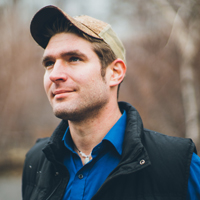
Eben Bayer uses biology to solve important environmental challenges by growing safe and healthy new materials as well as envisioning creative ways to use natural technology at industrial scales and in consumer applications.
Read More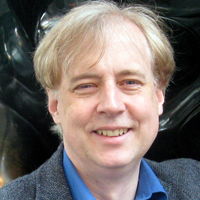
Steven Benner is one of the pioneers of synthetic biology, which seeks to create artificial living systems. He is a Distinguished Fellow at the Foundation for Applied Molecular Evolution in Gainesville, Florida and a founder of the Westheimer Institute for Science.
Read More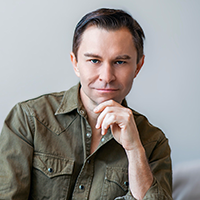
David Sinclair’s research focuses on the search for genes and small molecules capable of slowing the pace of aging in cells and on preventing diseases associated with old age. He is an associate professor of pathology at Harvard Medical School and an associate member of the Harvard-MIT Broad Institute for Bioinformatics.
Read More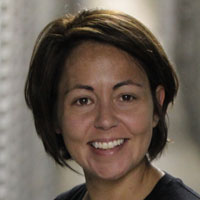
Beth Shapiro is an evolutionary biologist who specializes in the genetics of ice age animals and plants. A pioneer in the young field called “ancient DNA,” Beth travels extensively in the Arctic regions of Alaska, Siberia and Canada collecting bones and other remains of long-dead creatures.
Read More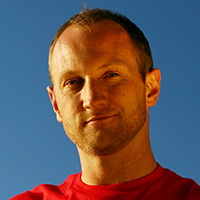
Canadian rap artist, writer, and former tree-planter, Baba Brinkman has personally planted more than one million trees in the Rocky Mountains. After graduating with an M.A. in comparative literature in 2003, he began his career as a rap troubadour.
Read More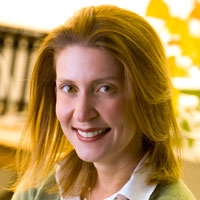
Consuelo De Moraes is an internationally known biologist and ecologist who studies the complex role of chemistry in interactions among plants and other organisms.
Read More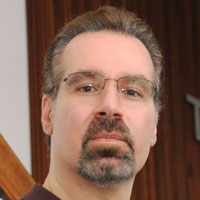
David Ferrucci is the lead researcher and principal investigator for the Watson/Jeopardy! project. He has been a Research Staff Member at IBM’s T.J. Watson’s Research Center since 1995 where he heads up the Semantic Analysis and Integration department.
Read More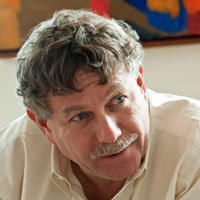
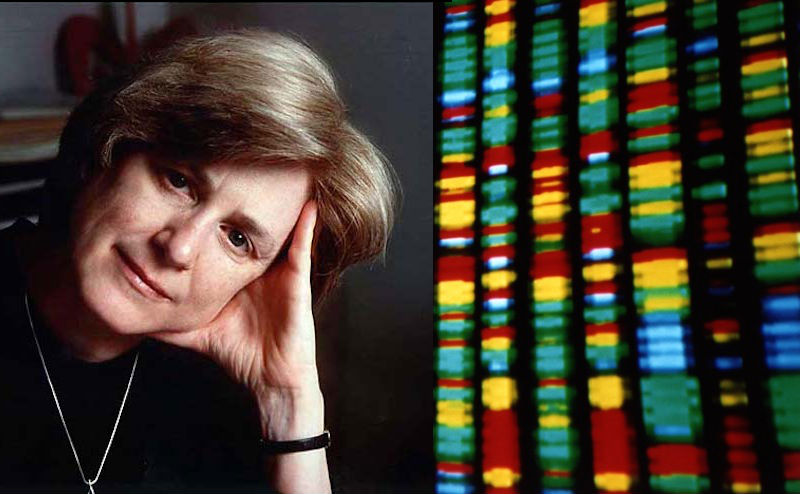
Eric Lander was one of the principal leaders of the Human Genome Project, which from 1990-2003 mapped the human genetic code. He has pioneered the application of genomics to the understanding human disease. Lander serves as President and Founding Director of the Broad Institute.
Read More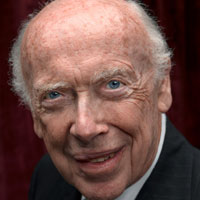
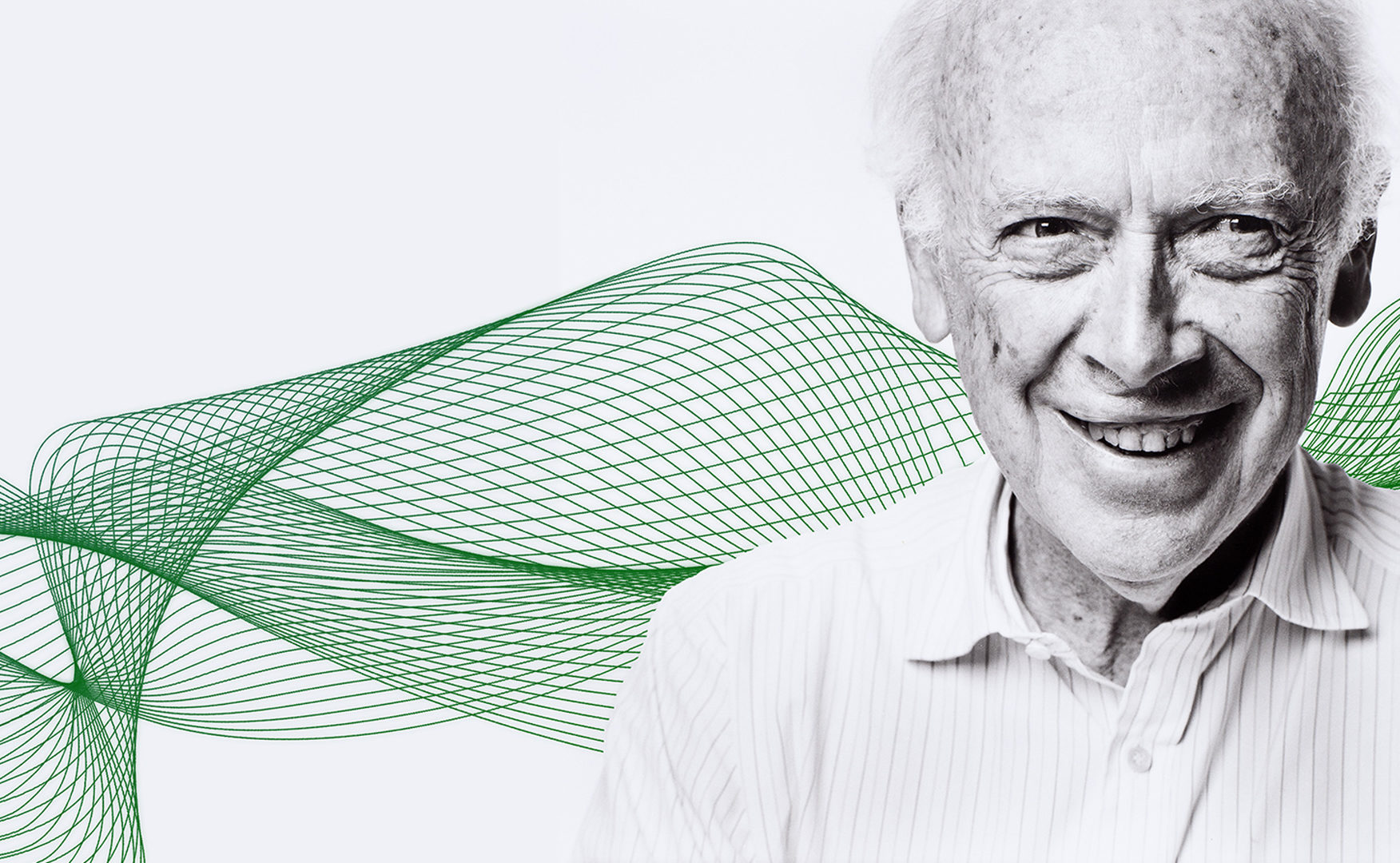
In 1953, while at Cambridge University, James D. Watson and Francis Crick successfully proposed the double helical structure for DNA.
Read More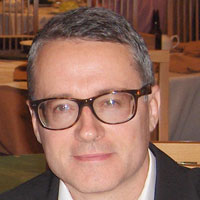
Michael Rose began his work on the evolution of aging at the University of Sussex in 1976, where he created fruit fly stocks with postponed aging. His 1991 book Evolutionary Biology of Aging offered a view of aging that was a complete departure from the views that had dominated the aging field since 1960.
Read More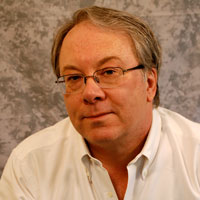
Smell scientist, entrepreneur, and author Avery N. Gilbert is a fragrance industry innovator and pioneer in the areas of olfactory mental imagery, multisensory correlates of odor perception, and the psychological factors that bias odor judgments.
Read More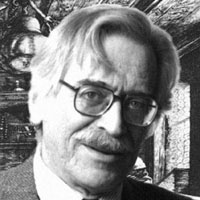
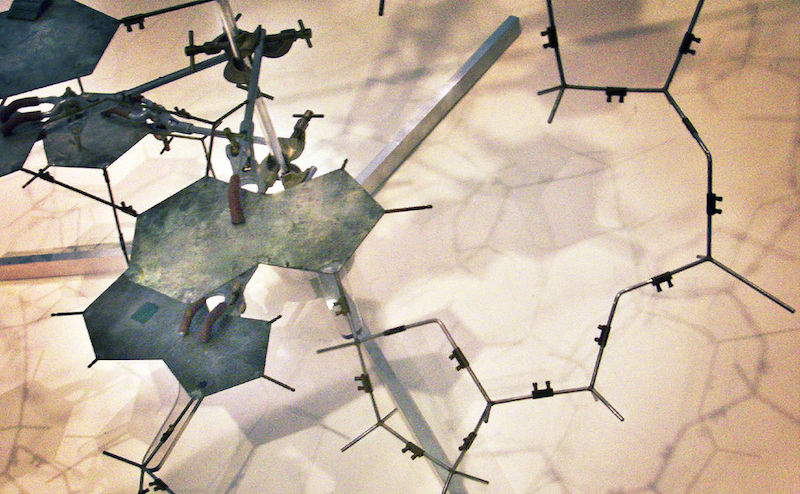
Donald Caspar is a structural biologist, emeritus professor of biological science at the Florida State University Institute of Molecular Biophysics, a member of the National Academy of Sciences, and a fellow of the American Academy of Arts & Sciences.
Read More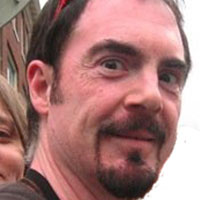
Jim Pfaus has sex on the brain. An internationally known expert in the neurobiology of sexual behavior, Pfaus has authored over 150 publications and chapters that examine how the brain’s neurochemical and neuroanatomical systems are organized for sexual arousal, desire, pleasure, and inhibition.
Read More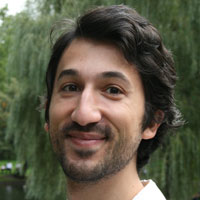
Aaron Berkowitz is the author of The Improvising Mind: Cognition and Creativity in the Musical Moment, which explores improvisation from the perspectives of cognitive neuroscience, musicology/ethnomusicology, and music pedagogy.
Read More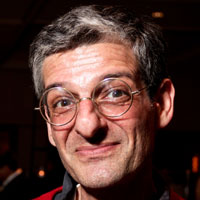
Bora Zivkovic is the blog editor at Scientific American magazine. Born in Belgrade, Serbia (then Yugoslavia) he majored in biochemistry and molecular biology in high school, trained horses, and studied veterinary medicine at University of Belgrade. Upon arrival in the United States, Zivkovic did research on circadian rhythms in Japanese quail at North Carolina State University.
Read More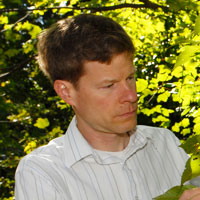
Robert Naczi is a plant systematist, who specializes in documenting the changing plant life of the Northeast. He is a leading authority on the flora of the eastern United States, the sedge genus Carex (Cyperaceae), and the Western Hemisphere Pitcher Plants (Sarraceniaceae).
Read More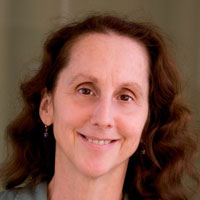
Pamela Bjorkman is the Max Delbrück Professor of Biology and an HHMI investigator at the California Institute of Technology (Caltech) in Pasadena, California. She received a BA degree in Chemistry from the University of Oregon and a Ph.D. degree in biochemistry from Harvard University.
Read More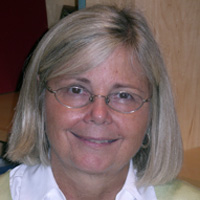
Joan Brugge joined the faculty of the Department of Cell Biology at Harvard Medical School in July 1997 and became the chair of this department in 2004. A graduate of Northwestern University, she received her PhD from the Baylor College of Medicine.
Read More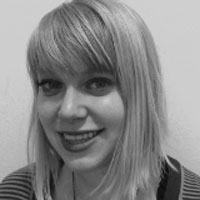
Hannah Waters writes about science for Nature Medicine and her blog Culturing Science. Before that, she studied the epigenetics of aging in Philadelphia, marine food webs off the coast of Oregon, and coastal conservation in Maine.
Read More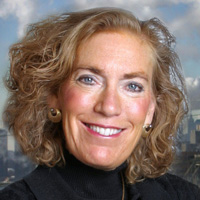
Elaine Fuchs pioneered the field of reverse genetics—studying proteins and learning what they do, and how they do it, in order to identify the genetic disease they cause when they malfunction.
Read More
Jonathan Gottschall writes books about the intersection of science and art. He is one of the leading figures in a new movement that is trying to bridge the humanities-sciences divide.
Read More
Dennis Charney is one of the world’s leading experts in the neurobiology and treatment of mood and anxiety disorders.
Read More
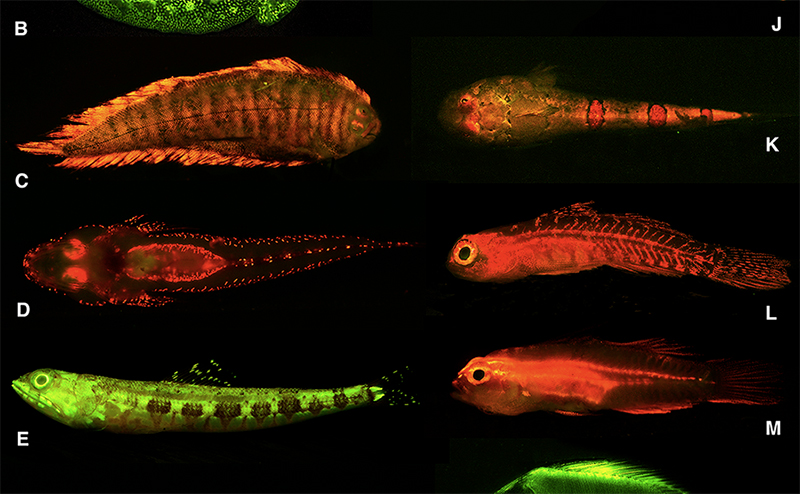
Anya Salih studies the glow-in-the-dark fluorescent proteins that light up coral reefs in a kaleidoscope of colors. She has investigated the diverse biological roles these proteins play, including regulating how much light the corals take in and helping them reduce the stresses associated with climate change, and her work has helped establish the science of fluorescent protein biology as a rapidly growing new discipline.
Read More
Angela Belcher is the W. M. Keck Professor of Energy at MIT. She combines chemistry, molecular biology and electrical engineering to understand how living things make molecular-scale materials and incorporate their tricks into new organic-inorganic hybrid technologies.
Read More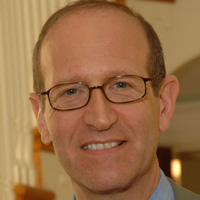
Gary Nabel is a nationally recognized expert at the forefront of virology, immunology, gene therapy and molecular biology. He is the director of the Vaccine Research Center at the National Institute of Allergy and InfectiousDiseases.
Read More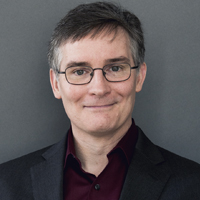
John Rennie is a deputy editor at Quanta Magazine, overseeing its coverage of biology topics. Previously, he was the editor in chief of Scientific American for 15 years and the editorial director of McGraw-Hill’s AccessScience.
Read More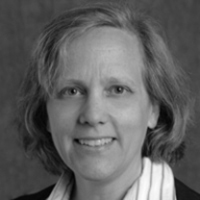
Helen Blair Simpson, M.D., Ph.D., is professor of clinical psychiatry at Columbia University and director of the Anxiety Disorders Clinic at the New York State Psychiatric Institute. The Anxiety Disorders Clinic was founded in 1982 as one of the first research clinics in the world to study the causes of and treatments for anxiety.
Read More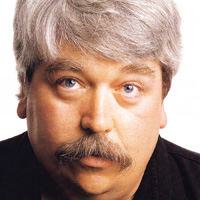
Robert J. Full is a Chancellor’s and Goldman Professor of Integrative Biology at the University of California at Berkeley. Professor Full completed his undergraduate, master and PhD studies at SUNY Buffalo.
Read More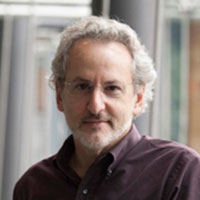
Don Ingber is Founding Director of the Wyss Institute and a leader in the emerging field of biologically inspired engineering. He oversees a multifaceted effort to identify the mechanisms that living organisms use to self assemble and to apply these design principles to develop advanced materials and devices.
Read More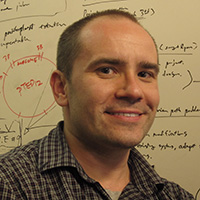
Oliver Medvedik earned his Ph.D. at Harvard Medical School, in the Biomedical and Biological Sciences program. As part of his doctoral work he has used single-celled budding yeast as a model system to map the genetic pathways that underlie the processes of aging in more complex organisms, such as humans.
Read More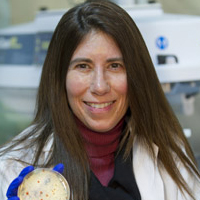
Ellen Jorgensen is a molecular biologist and a passionate advocate of citizen science. Her research interests have encompassed such diverse areas as free radicals in disease, DNA fingerprinting, virus protein structure/function relationships, and cancer biomarkers.
Read More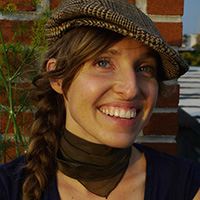
Rebecca McMackin is the Park Horticulturalist at Brooklyn Bridge Park where she ecologically manages the flora and fauna of 85 acres of parkland habitat consisting of native woodlands, freshwater wetlands, salt marshes, ornamental gardens, and, of course, expansive organic lawns.
Read More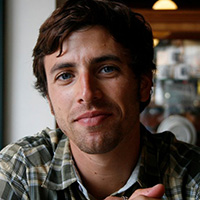
James Casey is a Brooklyn-based conservation biologist. Currently, Casey is an Adjunct Laboratory Instructor in the Department of Biology at Barnard College of Columbia University and the Screenings Director for Wicked Delicate Films LLC—a documentary film and advocacy company.
Read More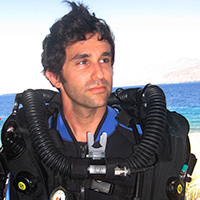
Dr. David Gruber is a marine biologist who uses extended-range SCUBA and Remote Operated Vehicle technologies to explore the deeper portion of the world’s coral reefs. His research focuses on photosynthesis and biofluorescence and his research team has discovered over 30 novel fluorescent proteins from coral reefs, including one that is responsive to phosphorylation.
Read More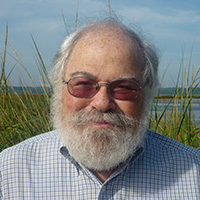
Jeffrey Levinton is Distinguished Professor of Ecology and Evolution at the State University of New York at Stony Brook.
Read More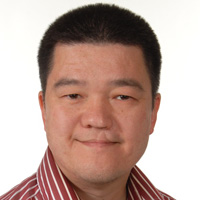
Thorsten Ritz is a biophysicist interested in the role of quantum mechanics in biological systems, ranging from photosynthetic light harvesting systems to sensory cells. He has championed the idea that a quantum mechanical reaction may lie at the heart of the magnetic compass of birds and other animals.
Read More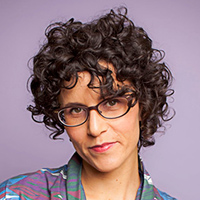
Laura Allen is the editorial producer of the American Museum of Natural History’s Science Bulletins program, which produces video and visualization for exhibition at the museum and other public spaces that highlight cutting-edge scientific research and issues.
Read More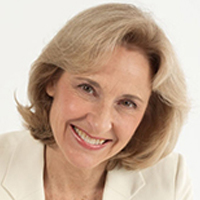
Helen Fisher is a biological anthropologist at Rutgers University. She studies the evolution, brain systems (fMRI) and biological patterns of romantic love, mate choice, marriage, gender differences, personality, and the biology of leadership styles.
Read More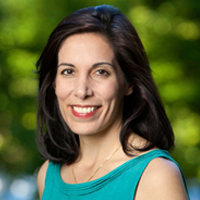
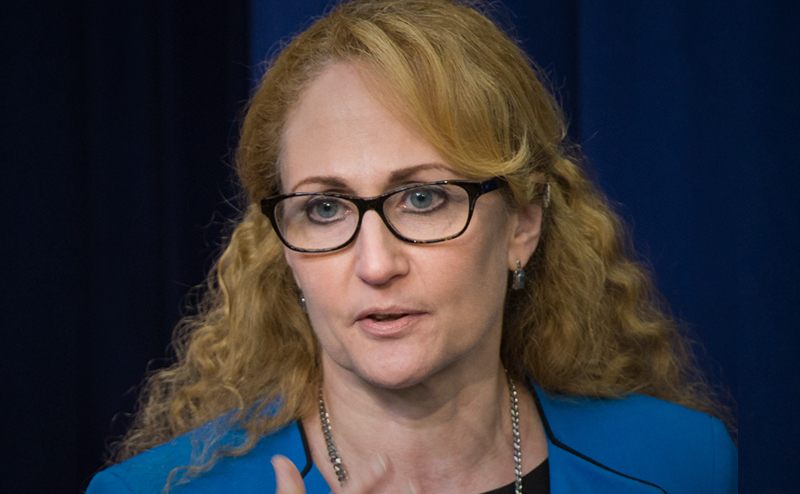
Nita A. Farahany is a Professor of Law & Philosophy at Duke University and the director of Duke Science & Society. In 2010, she was appointed by President Obama to the Presidential Commission for the Study of Bioethical Issues, and continues to serve as a member.
Read More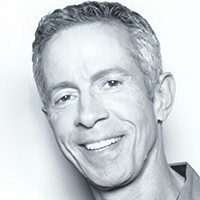
Peter Staley has been a long-term AIDS and gay rights activist, first as a member of ACT UP New York, then as the founding director of TAG, the Treatment Action Group. He served on the board of the American Foundation for AIDS Research (amfAR) for 13 years.
Read More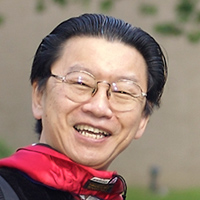
Ronald Hoy is the David and Dorothy Merksamer Professor in biology at Cornell University. Besides teaching at Cornell, he has taught neuroscience and behavior at Cold Spring Harbor Labs and at the marine biological laboratory in Woods Hole, where he was a director of the neural systems and behavior course and, later, director of the Grass Foundation summer fellows program.
Read More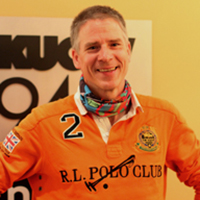
Born in the American Midwest, Christof Koch grew up in Holland, Germany, Canada, and Morocco. He studied Physics and Philosophy and was awarded his Ph.D. in Biophysics. In 1987, Koch joined the California Institute of Technology as a Professor in Biology and Engineering.
Read More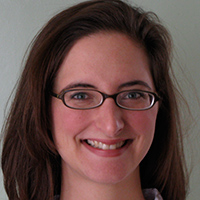
Rachel Dutton, Ph.D. is a Bauer fellow at the Harvard University Center for Systems Biology. After receiving her Ph.D. in microbiology from Harvard Medical School, she founded her own lab with the mission of using cheese as a way to understand microbial ecosystems.
Read More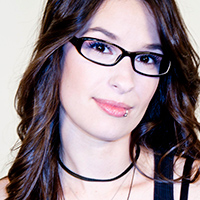
Cara Santa Maria has dedicated her life to improving science literacy by communicating scientific principles across media platforms. Prior to moving to the west coast, Santa Maria taught biology and psychology courses to university undergraduates and high school students in Texas and New York.
Read More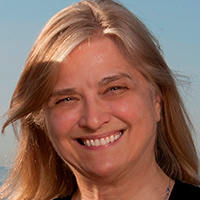
Kristen Harris is one of the world’s leading neuroscientists investigating synapse structure and function. She has been a professor of neuroscience at Harvard, Boston University, Georgia Health Sciences University, and since 2006 in the Center for Learning and Memory at the University of Texas at Austin.
Read More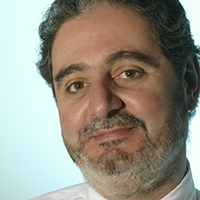
Jean-Pierre Issa is a professor of medicine and director at Fels Institute for Cancer Research and Molecular Biology at Temple University. Issa’s laboratory has made important contributions to the understanding of the importance of epigenetics in the pathophysiology and treatment of cancer.
Read More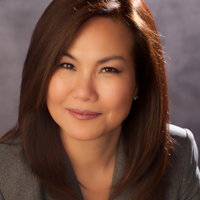
Miyoung Chun is vice president of science programs at The Kavli Foundation in Oxnard, California. Prior to her current role, Chun was an assistant dean of science and engineering at University of California Santa Barbara (UCSB), in particular serving for the California Nanosystems Institute.
Read More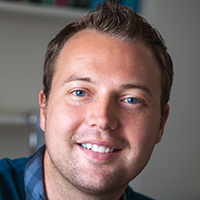
Robin Dando, originally from the UK, is a professor at Cornell University. His lab studies the neurotransmitter interactions and signaling events that occur within the mammalian taste system. Our sense of taste is one of the strongest drives that we possess, and is inexorably linked to emotions, memories, and our quality of life.
Read More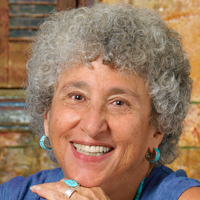
Marion Nestle is the Paulette Goddard Professor of Nutrition, Food Studies, and Public Health at NYU. She holds a doctorate in molecular biology. Her books, Food Politics and What to Eat won James Beard Awards; Why Calories Count won the 2013 IACP food matters book award.
Read More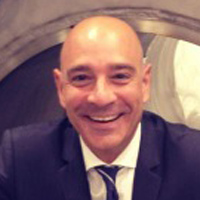
Zahi Fayad serves as professor of radiology and medicine at the Mount Sinai School of Medicine. He is the director of the Translational and Molecular Imaging Institute; vice chair for research, department of radiology; director and founder of the Eva and Morris Feld Imaging Science Laboratories.
Read More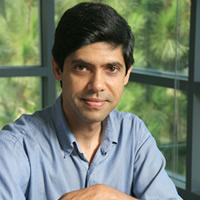
Aniruddh D. Patel is associate professor in the Department of Psychology at Tufts University. After attending the University of Virginia as a Jefferson Scholar, he received a Ph.D. in organismic and evolutionary biology from Harvard University in 1996.
Read More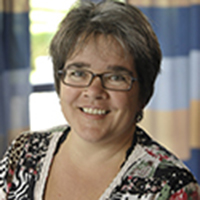
Marie-José Goumans is professor of cardiovascular cell biology at the Leiden University Medical Center (LUMC), and a member of the Royal Academy’s Young Academy. She did her Ph.D. in cardiovascular development at the Hubrecht Laboratory. Still fascinated by the beating heart, she studies cardiac progenitor cells for heart regeneration.
Read More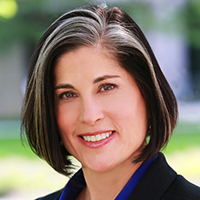
Catherine Ball leads a group of population geneticists, statisticians, and computer scientists and oversees the analytical approaches behind Ancestry.com’s direct-to-consumer genotyping services.
Read More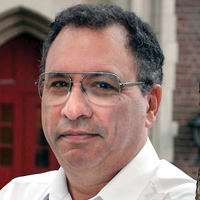
Simon Levin is a professor of biology and director of the Center for BioComplexity at Princeton University. His research centers on understanding how macroscopic patterns are maintained at the level of ecosystems and finding parallels between ecological and economic systems.
Read More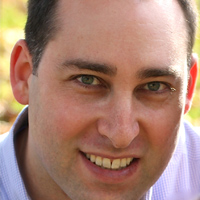
Farren Isaacs is assistant professor of Molecular, Cellular and Developmental Biology and Systems Biology at Yale University. He pioneered the development of synthetic RNA molecules capable of probing and programming cellular function.
Read More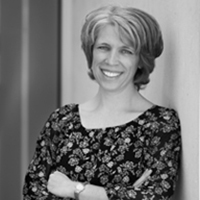
Tara M. Ruttley is an associate program scientist for the International Space Station for NASA at Johnson Space Center in Houston. Her current role consists of representing and communicating all research on the ISS, and supporting the ISS Chief Scientist’s research recommendations to NASA Headquarters.
Read More
Sheila Nirenberg develops neuroprosthetics that interact directly with the brain, but she also works on building new kinds of robots. Her honors include a Beckman Young Investigator Award, a Klingenstein Fellowship, a Frontiers of Science award, and a Stein Oppenheimer award.
Read More
Mark Siddall is known as “the leech guy,” though he has focused on the evolutionary biology of a wide range of parasites. He has led expeditions around the world, most recently including South Sudan, Cambodia, and the Lower Amazon of Brazil.
Read More
Kim Janda is a professor of chemistry at The Scripps Research Institute whose research efforts merge biology and chemistry. He has investigated using the immune system to target drug addiction, catalytic antibodies, and creating molecules to treat cancer.
Read More
Nicholas Wade received a B.A. in natural sciences from King’s College, Cambridge. He was deputy editor of Nature magazine in London and then became that journal’s Washington correspondent.
Read More
Mechthild Prinz is currently an Associate Professor and the Director of the Master in Forensic Science Program at John Jay College of Criminal Justice in New York City.
Read More
Masoud Mohseni is a senior research scientist at Google Quantum Artificial Intelligence Laboratory, where he develops machine-learning algorithms that fundamentally rely on quantum dynamics.
Read More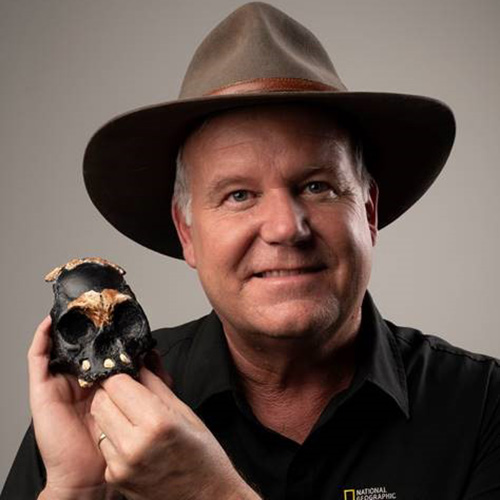
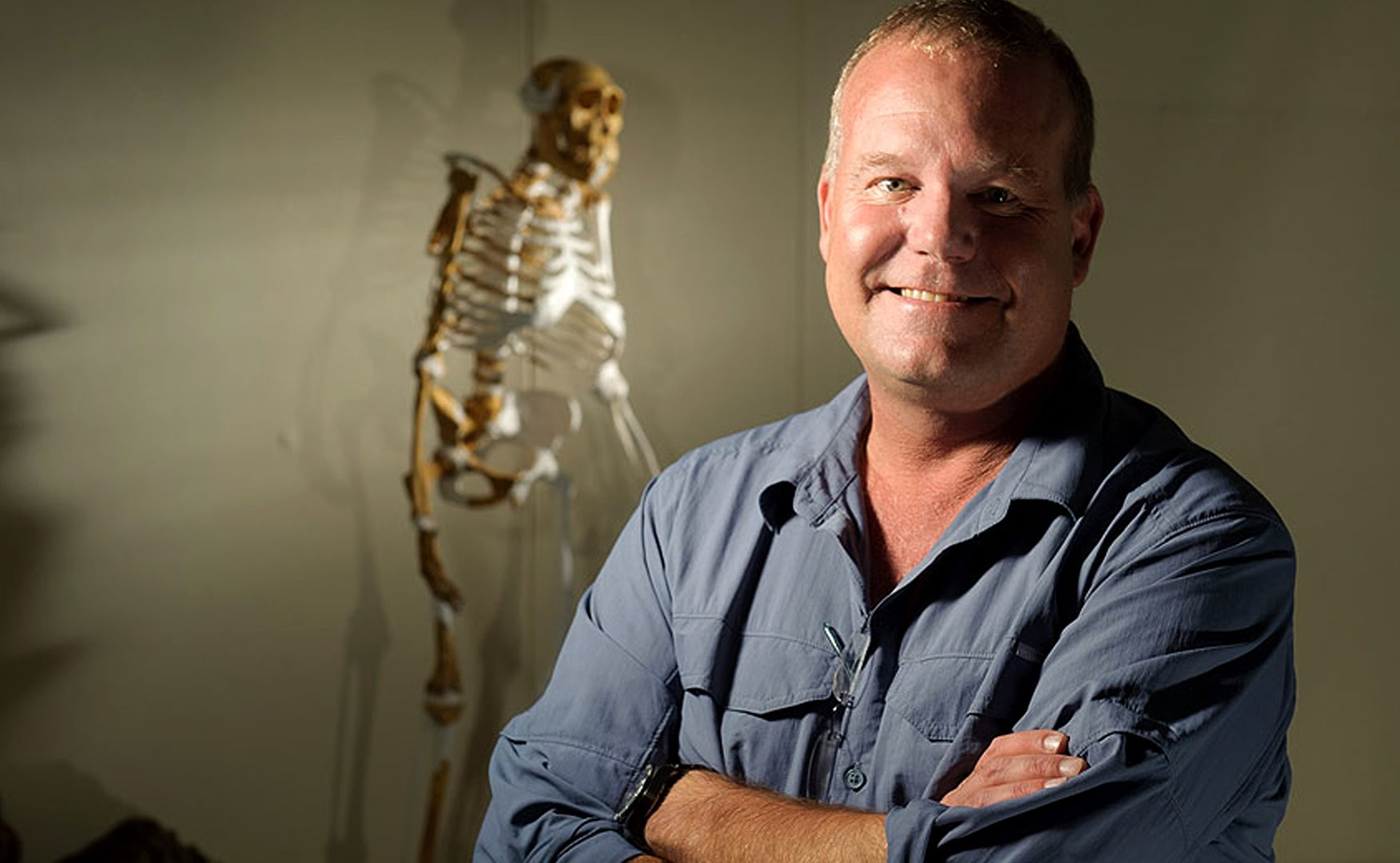
Professor Lee R. Berger is an award-winning researcher, author, paleoanthropologist, and speaker. His explorations into human origins on the African continent, Asia, and Micronesia for the past two and a half decades have resulted in many new discoveries.
Read More
After receiving a Ph.D. in biochemistry and molecular biology from Harvard, Paul Bingham spent two years at the National Institutes of Health in Research Triangle Park. He later joined the faculty of the Department of Biochemistry and Cell Biology at Stony Brook University.
Read More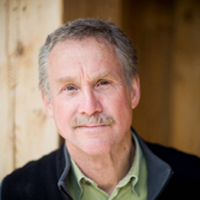
David Quammen is an author and journalist whose 12 books include The Song of the Dodo, The Reluctant Mr. Darwin, and Spillover, a work on the science, history, and human impacts of emerging diseases. Quammen is a contributing writer for National Geographic and a three-time recipient of the National Magazine Award.
Read More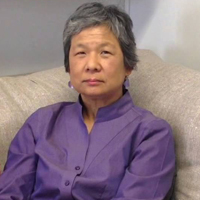
Chiye Aoki majored in biology at Barnard College, Columbia University. She entered the world of neuroscience during those years by participating in research that monitored brain activities of animals undergoing the natural transition from wakefulness to REM sleep to answer the question: Why do we need to sleep?
Read More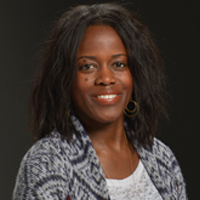
Mandë Holford is as an Associate Professor in Chemistry at Hunter College and CUNY-Graduate Center, with scientific appointments at the American Museum of Natural History and Weill Cornell Medical College.
Read More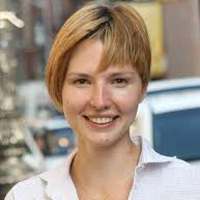
Jasna Brujic is an associate or tenured professor of physics in the Physics Department of New York University. She is one of several core faculty members that comprise the Center for Soft Matter Research. Brujic received her Ph.D. for work on the transmission of stress through particulate matter at the Cavendish Laboratory of the University of Cambridge, UK.
Read More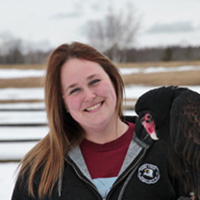
Tanya Lowe has worked with Hawk Creek Wildlife Center, Inc., since 2004. As the director of wildlife education, she has presented Hawk Creek’s free-flying bird shows at the Bronx Zoo, Central Park, and the New York State Fair.
Read More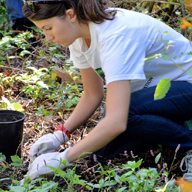
Tina Walsh is the environmental educator with Hudson River Park Trust. She received her Bachelor of Science in biology and chemistry from St. John’s University. Since then she has been active in the field of urban environmental education.
Read More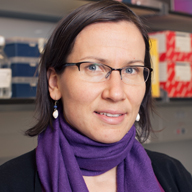
Christine Vogel originally trained as a biochemist in Germany, but moved to Cambridge, England, to obtain her PhD in computational and structural biology with Dr. Cyrus Chothia and Dr. Sarah Teichmann at the MRC Laboratory for Molecular Biology.
Read More
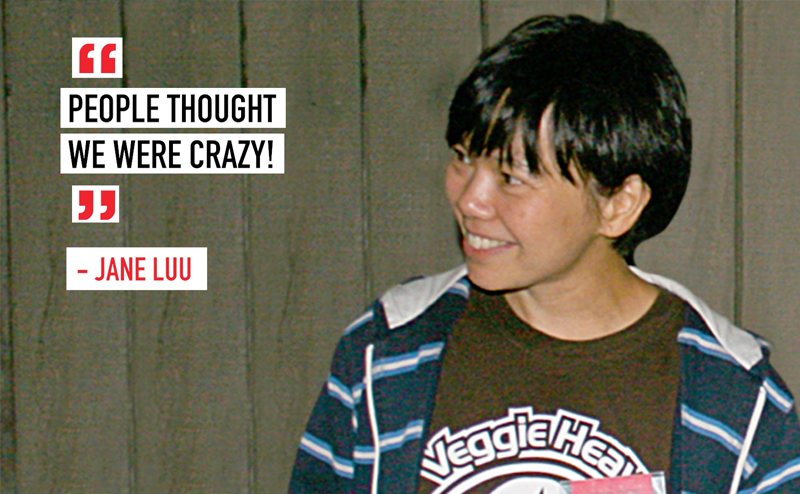
Jane M. Carlton is director of the Center for Genomics and Systems Biology and a biology professor at New York University. She has spent the past 20 years on the faculty of several scientific institutions in the United States, including the genome sequencing center founded by J. Craig Venter.
Read More
Melissa Lee is an educator and researcher. She received a B.A. in biology from Johns Hopkins University, with her primary research focusing on Down syndrome. After college, Lee worked at New York University, studying mouse brain development.
Read More
Michael Purugganan is the Dorothy Schiff Professor and Dean of Science at NYU. His research focuses on identifying the genes that are involved in the evolutionary adaptation of plants.
Read More
Pamela Silver seeks to reprogram life for improved health and sustainability. Recently, she engineered gut microbes to report on animal health and is the co-creator of the Bionic Leaf.
Read More
Laura Kloepper is an Assistant Professor in the Department of Biology at Saint Mary’s College in Notre Dame, Indiana. She researches echolocation in toothed whales, dolphins, and bats.
Read More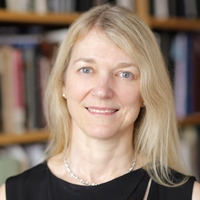
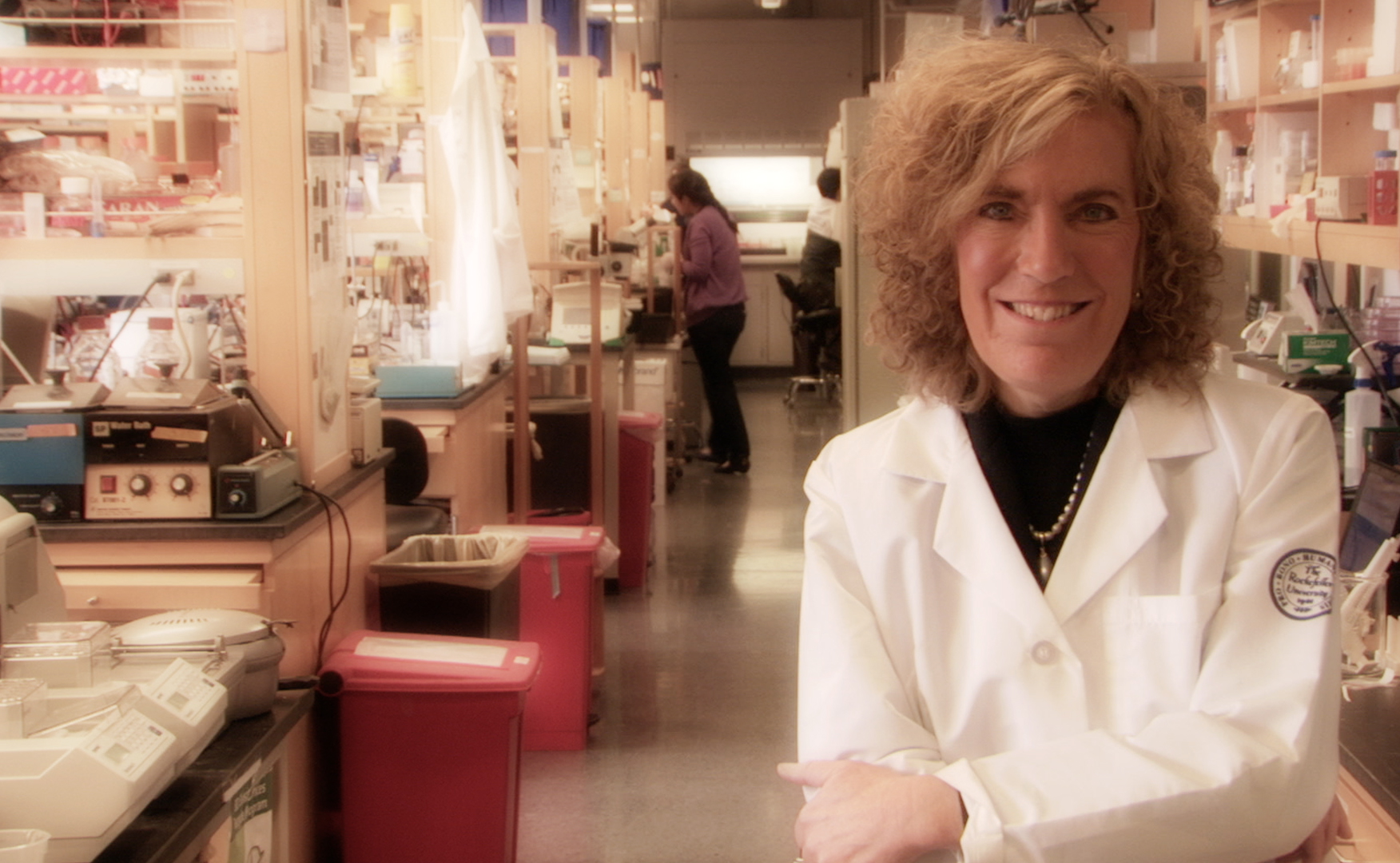
Cori Bargmann is a neuroscientist at The Rockefeller University in New York who studies the biology of the brain, asking how genes, the environment, and experience interact to give rise to flexible behaviors.
Read More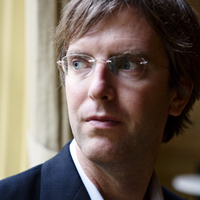
Drew Endy is an assistant professor of Bioengineering at Stanford. His Stanford research team develops genetically encoded computers and redesigns genomes. Endy co-founded the BioBricks Foundation as a public-benefit charity supporting free-to-use standards and technology that enable the engineering of biology.
Read More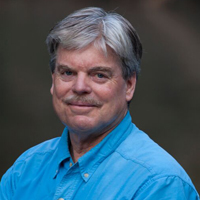
James B. McClintock is the Endowed University Professor of Polar and Marine Biology at the University of Alabama at Birmingham. He is an expert on invertebrate nutrition, reproduction, and primarily, Antarctic marine chemical ecology, climate change, and ocean acidification.
Read More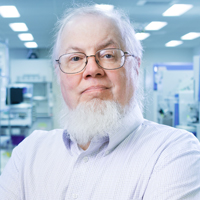
Tom Knight spent most of his career in computer science and electrical engineering at MIT, before playing a major role in creating the field of synthetic biology. In 1996, he seeded interest in the field at DARPA, and built a molecular biology laboratory in the MIT computer science department.
Read More
Jennifer Ackerman has been writing about science, nature, and human biology for almost three decades. Her new book, The Genius of Birds (Penguin Press, 2016)–a New York Times bestseller–has been called a “lovely, celebratory survey” by The New York Times and “gloriously provocative and highly entertaining” by the Wall Street Journal.
Read More
Elisa Konofagou is Professor of Biomedical Engineering and Radiology, and Director of the Ultrasound and Elasticity Imaging Laboratory at Columbia University. Her main interests are in the development of novel elasticity imaging techniques and therapeutic ultrasound methods.
Read More
Stephen Tsang is the László Bitó Associate Professor in Ophthalmology, Pathology & Cell Biology at Columbia University and an attending ophthalmologist at New York-Presbyterian Hospital. He has been culturing embryonic stem (ES) cells since 1992.
Read More
Neville Sanjana is a Core Faculty Member at the New York Genome Center and Assistant Professor in the Departments of Biology and of Neuroscience and Physiology at New York University. Dr. Sanjana creates new tools to understand the impact of genetic changes on the nervous system and cancer evolution.
Read More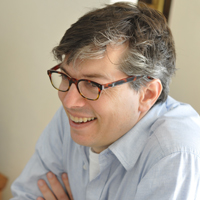
Chris Wiggins is an associate professor of applied mathematics at Columbia University and the Chief Data Scientist at The New York Times. At Columbia he is a founding member of the Department of Systems Biology, the executive committee of the Data Science Institute, and the Institute’s education and entrepreneurship committees.
Read More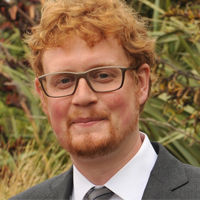
Ben Matthews is a postdoctoral research associate in the Laboratory of Neurogenetics and Behavior at The Rockefeller University and Howard Hughes Medical Institute. He joined the laboratory, run by Leslie Vosshall, in 2010 to study the mosquito Aedes aegypti, a vector of mosquito-borne diseases including Zika virus, Dengue Fever, and Chikungunya.
Read More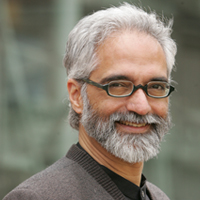
Shahid Naeem is professor of Ecology in the Department of Ecology, Evolution, and Environmental Biology and director of the Earth Institute Center for Environmental Sustainability at Columbia University. He obtained his PhD from the University of California at Berkeley, was a postdoctoral fellow at Imperial College of London, the University of Copenhagen, and University of Michigan.
Read More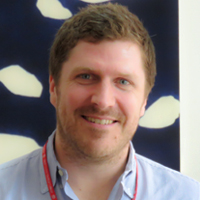
Luke Dow is an assistant professor of Biochemistry in Medicine at Weill Cornell Medicine in New York City. Dow completed his PhD in Melbourne, Australia, before joining the laboratory of Professor Scott Lowe for his postdoctoral work in 2008, where he developed new systems to interrogate gene function in the mouse, including the first application of inducible in vivo CRISPR-based genome editing tools.
Read More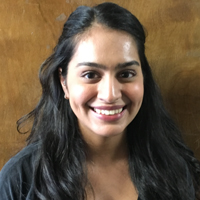
Anoopa Singh is a two-time graduate of CUNY Hunter College and holds degrees in Biology, Chemistry, and Education and is devoted to developing as both a scientist and a teacher. She proudly teaches Chemistry and AP Chemistry at her alma mater, Manhattan Center for Science and Mathematics.
Read More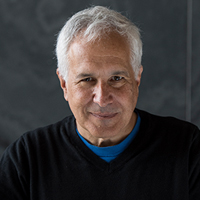
Jeff W. Lichtman is Jeremy R. Knowles Professor of Molecular and Cellular Biology and the Ramón y Cajal Professor of the Faculty of Arts and Sciences at Harvard University. Lichtman is a developmental neurobiologist interested in the way in which experience alters nervous system organization in long-lasting ways.
Read More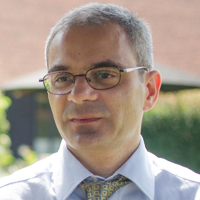
Kevin Laland is Professor of Behavioural and Evolutionary Biology at the University of St Andrews, where he is a member of the Centre for Biological Diversity, the Centre for Social learning and Cognitive Evolution, the Institute for Behavioural and Neural Sciences, and the Scottish Primate Research Group.
Read More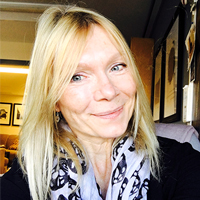
Louise Barrett was trained in both ecology and anthropology and is currently Professor of Psychology and Canada Research Chair in Cognition, Evolution & Behaviour at the University of Lethbridge. She ran a long-term project on baboons in South Africa for twelve years.
Read More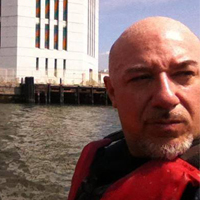
Roy Arezzo, a native of Brooklyn, is a veteran NYC science teacher who has served as a department leader/curriculum developer in a variety of secondary education settings. He has a B.S. in biology from Marist College and received his Master in Environmental Science Education through CUNY.
Read More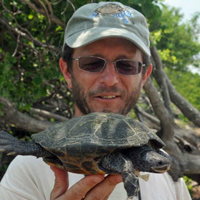
Russell Burke’s longstanding interest in reptiles was the major influence in his decision to pursue a career in biology. As a child, he collected local snakes in northern Ohio and kept them in captivity. He earned a B.S. in zoology from Ohio State University, where he fell in love with sea turtles.
Read More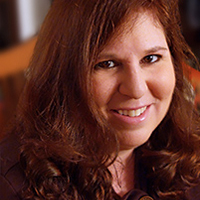
Sarah Tishkoff is the David and Lyn Silfen University Professor in Genetics and Biology at the University of Pennsylvania, holding appointments in the School of Medicine and the School of Arts and Sciences. She studies genomic and phenotypic variation in ethnically diverse Africans.
Read More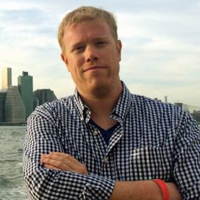
Sean Dixon is an attorney at Hudson Riverkeeper where he is primarily responsible for Riverkeeper’s New York City Programs. Dixon is also an Adjunct Professor of Law at Pace Law School and Senior Fellow of the Environmental Leadership Program.
Read More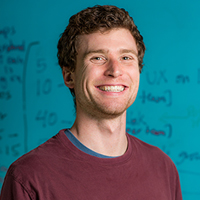
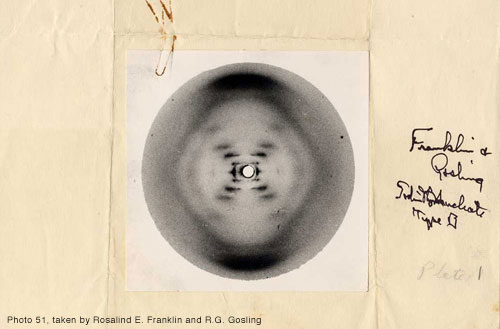
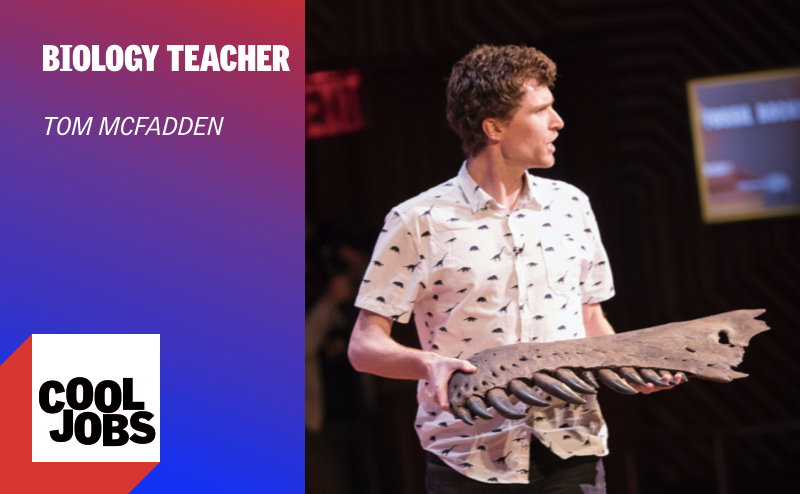
Tom McFadden is a middle school science teacher by day at The Nueva School in Hillsborough, CA, and a science rapper by night. His YouTube channel, “Science With Tom,” features rap battles between Rosalind Franklin and Watson & Crick.
Read More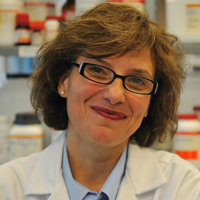
Doris A. Taylor, Ph.D., FACC, FAHA is the Director, Regenerative Medicine Research, and Director, Center for Cell and Organ Biotechnology at the Texas Heart Institute in Houston.
Read More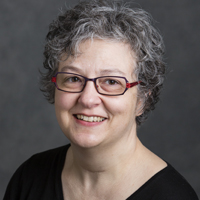
Dany Spencer Adams explores how ions moving among cells act as signals during regeneration, development, and cancer. She has uncovered evidence that bioelectric signals can trigger and regulate diverse complex processes that include gene expression changes.
Read More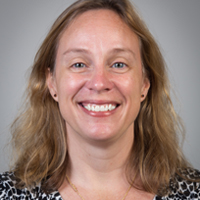
Dr. Eugenia (Genia) Naro-Maciel is a Clinical Assistant Professor of Liberal Studies at New York University and a graduate of Yale University. She received her M.A. and Ph.D. degrees in Ecology, Evolution, and Environmental Biology from Columbia University. She has co-authored numerous educational materials on protected areas and biodiversity conservation.
Read More
Dr. Christopher Mason is currently an Associate Professor at Weill Cornell Medicine, with appointments at the Tri-Institutional Program on Computational Biology and Medicine between Cornell, Memorial Sloan-Kettering Cancer Center and Rockefeller University, the Sandra and Edward Meyer Cancer Center, and the Feil Family Brain and Mind Research Institute.
Read More
Jessica Garrett is a science educator/author and a voice actress who thinks kids are fabulous. She loved writing slimy, kid-friendly “ICK-speriments” with her co-authors Joy Masoff and Ben Ligon, in the truly disgusting, yet totally interesting, Oh Ick! 114 Science Experiments Guaranteed to Gross You Out!
Read More
Maryam Zaringhalam is a molecular biologist and an AAAS Science & Technology Policy Fellow. She received her Ph.D. in molecular biology from the Rockefeller University, where she used protozoan parasites as a model to investigate how small changes to our genetic building blocks can affect how we look and function.
Read More
Gregory Mone is a novelist, science journalist, and speaker who has written several books for children including Fish and Dangerous Waters. As a magazine writer, he has covered artificial intelligence, robots, physics, and biology.
Read More
Dalton Conley is the Henry Putnam University Professor in Sociology at Princeton University. He earned a PhD in sociology from Columbia University in 1996 and a PhD in Biology (Genomics) from NYU in 2014. His research focuses on how socioeconomic status and health are transmitted across generations and on the public policies that affect those processes.
Read More
Virginia W. Cornish graduated summa cum laude from Columbia University with a B.A. in Biochemistry in 1991, where she did undergraduate research with Professor Ronald Breslow. She earned her Ph.D. in Chemistry with Professor Peter Schultz at the University of California at Berkeley and then was a Postdoctoral Fellow in the Biology Department at M.I.T. under the guidance of Professor Robert Sauer.
Read More
Jill Bargonetti, a renowned cancer researcher, earned her B.A. at SUNY College at Purchase and her Ph.D. at New York University and did postdoctorate work at Columbia University. She serves as chair of the molecular, cellular, and development subprogram in the Ph.D. Program in Biology at the Graduate Center and as professor of biological sciences at Hunter College.
Read More
Daniela Buccella is an Assistant Professor in the Department of Chemistry at New York University. Born and raised in Venezuela, she received her B.S. in Chemistry in 2002 from Simón Bolívar University in Caracas, and started research as an undergraduate in the Venezuelan Institute for Scientific Research under the supervision of Professor Roberto Sánchez-Delgado.
Read More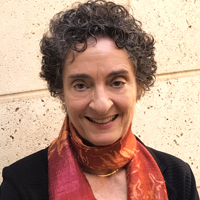
Carla Shatz has broken new ground for women in neuroscience. At Harvard Medical School, she was the first woman to receive a PhD in Neurobiology and the first woman to chair the department. Her research aims to understand how early developing brain circuits are transformed into adult connections during developmental critical periods.
Read More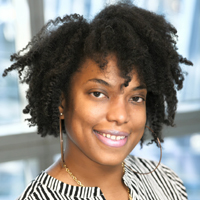
Mellanie Garner is a regulatory scientist in the Regulatory Operations/Raw Ingredients group in Research and Development at Avon Products, Inc. In her time at Avon she was responsible for global regulations on new raw ingredients for consumer products, including color; skincare; and hair care products.
Read More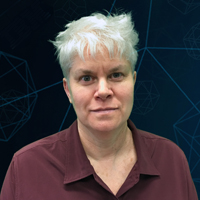
Kely Norel is a research staff member in the Computational Biology Center at the IBM T. J. Watson Research Center. She received a B.Sc. degree in Computer Engineering from Universidad de Chile, a M.Sc. degree in Computer Science from Weizmann Institute, Israel and a Ph.D. in Computer Science from Tel Aviv University, Israel.
Read More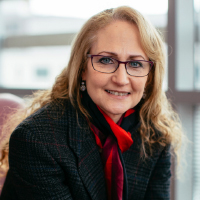
Jo Handelsman is the Director of the Wisconsin Institute for Discovery at the University of Wisconsin-Madison, as well as a Vilas Research Professor and Howard Hughes Medical Institute Professor. She is responsible for groundbreaking studies in microbial communication and work in the field of metagenomics.
Read More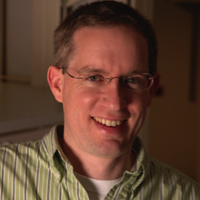
Sean Brady graduated with a degree in molecular biology from Pomona College in Claremont, California and received his Ph.D. in organic chemistry from Cornell University. he later moved to Harvard Medical School as a fellow in the Institute of Chemistry and Cell Biology and was named an instructor in the department of biological chemistry and molecular pharmacology at Harvard Medical School.
Read More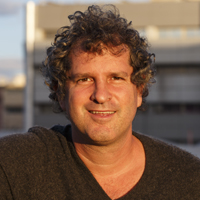
Oren Harman is the Chair of the Program in Science Technology and Society at Bar Ilan University and a Senior Fellow at the Van Leer Institute. He trained in history and biology at Oxford and Harvard and became a renowned professor of the history of science.
Read More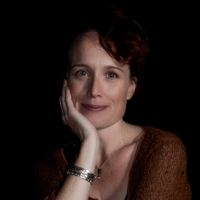
Kathryn Denning is an Associate Professor of Anthropology at York University in Toronto. Her research includes projects on the social impacts of astrobiology and SETI, the evolution of intelligence, and contemporary ideas concerning the colonization of space.
Read More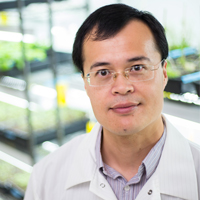
Yiping Qi is an Assistant Professor in the Department of Plant Science and Landscape Architecture at University of Maryland, College Park. His current research focus is developing and applying plant genome editing tools for plant biology and crop improvement.
Read More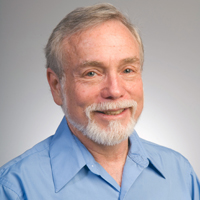
Fred Gould is Co-Director of the Genetic Engineering and Society Center of North Carolina State University. He conducts research on the application of evolutionary biology and population genetics to sustainable use of insect resistant crops and genetically engineered agricultural pests.
Read More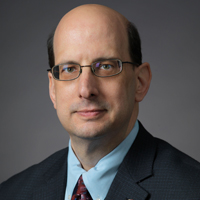
Dr. Scott M. Smith leads the Nutritional Biochemistry Laboratory at the NASA Johnson Space Center. This group is charged with keeping crews healthy with respect to nutrition, including using nutrition as a means to optimize astronaut health and safety.
Read More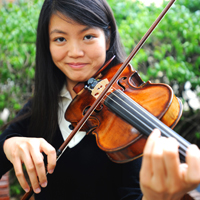
Psyche Loui is an Assistant Professor in Psychology and in Neuroscience and Behavior at Wesleyan University. She graduated from University of California, Berkeley with her PhD in Psychology, and attended Duke University as an undergraduate with degrees in Psychology and Music.
Read More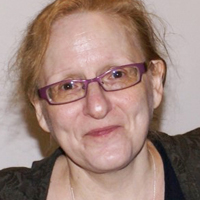
Jill Shapiro is the E3B Senior Lecturer/Director of Undergraduate Studies-EBHS. Systematics is at the core of her research, which spans several areas of biological anthropology, including human evolution, human and non-human skeletal biology, the history of the scientific race concept, and hominoid taxonomy.
Read More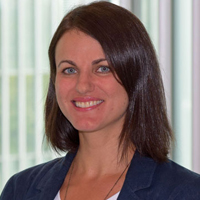
Shana Elbaum-Garfinkle, PhD, is an Assistant Professor with the ASRC Structural Biology Initiative, as well as an Assistant Professor of Biochemistry at The Graduate Center, CUNY.
Read More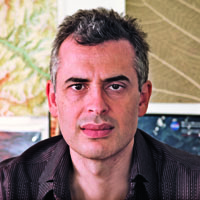
Marcelo Magnasco carried out his undergraduate studies in Physics at the University of La Plata, in Argentina, and his PhD, also in Physics, at the University of Chicago, and currently heads the Laboratory of Integrative Neuroscience at Rockefeller University.
Read More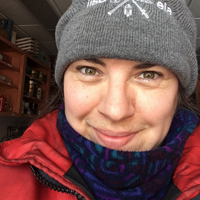
Cyndy Desjardins is a Food Web Biologist at the International Institute for Sustainable Development Experimental Lakes Area. She has extensive field experience in limnology research, having managed and trained both laboratory teams and fieldwork teams in a large-scale, multi-year aquatic ecology project.
Read More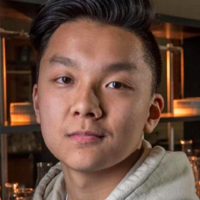
A student of Jericho High School, Marc Huo is an aspiring scientist who has conducted research on nanotechnology, won 1st Place in Cell and Molecular Biology at the International Science and Engineering Fair (ISEF), was named a Regeneron Scholar, and co-authored a paper that was published in Advanced Materials.
Read More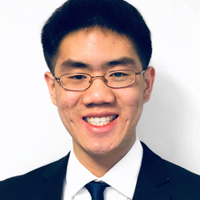
Michael Lai is currently pursuing a medical degree in Hofstra University’s combined BS/MD program in which he will directly matriculate into the Donald and Barbara Zucker School of Medicine. He attended Jericho High School in Jericho New York.
Read More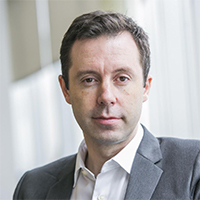
Olivier Elemento, PhD is the Director of the Weill Cornell Medicine Englander Institute for Precision Medicine, an institute that focuses on using genomics and informatics to make medicine more individualized.
Read More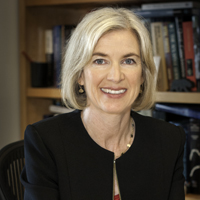
As an internationally renowned professor of Chemistry and Molecular and Cell Biology at U.C. Berkeley, Jennifer Doudna and her colleagues rocked the research world in 2012 by describing a simple way of editing the DNA of any organism using an RNA-guided protein found in bacteria.
Read More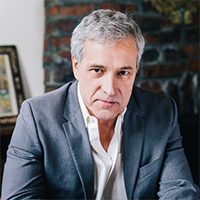
William B. Hurlbut is a physician and adjunct professor in the Department of Neurobiology at Stanford University Medical Center. His primary areas of interest involve the ethical issues associated with advancing biomedical technology, the biological basis of moral awareness, and studies in the integration of theology and philosophy of biology.
Read More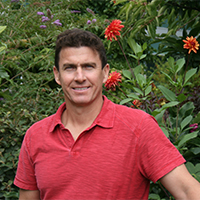
Dr. Joe Henrich is currently a Harvard professor and Chair of the Department of Human Evolutionary Biology. Before moving to Harvard, he was a professor of both economics and psychology at the University of British Columbia, where he held the Canada Research Chair in Culture, Cognition and Coevolution.
Read More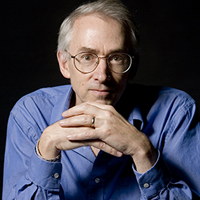
David Sloan Wilson is one of the world’s foremost evolutionary thinkers and a gifted communicator about evolution to the general public. He is SUNY Distinguished Professor of Biology and Anthropology at Binghamton University in New York and President of the Evolution Institute.
Read More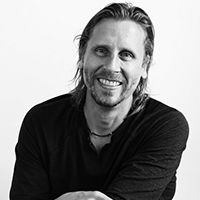
Beau Lotto is a world-renowned neuroscientist who specializes in the biology and psychology of perception. His interest in education, business, and the arts has led him into entrepreneurship and engaging the public with science.
Read More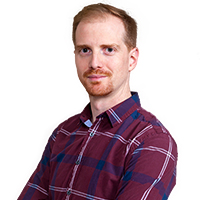
Simon Garnier is an associate professor in the Federated Department of Biology at the New Jersey Institute of Technology and Rutgers-Newark. He is the head of the Swarm Lab, an interdisciplinary research lab that studies the mechanisms underlying collective behaviors and swarm intelligence in natural and artificial systems.
Read More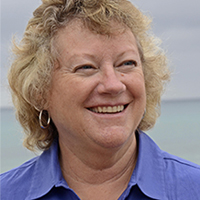
Dr. Denise Herzing, Founder and Research Director of the Wild Dolphin Project, has completed 34 years of her long-term study of the Atlantic spotted dolphins inhabiting Bahamian waters. She is an affiliate assistant professor in Biological Sciences at Florida Atlantic University, Boca Raton, Florida.
Read More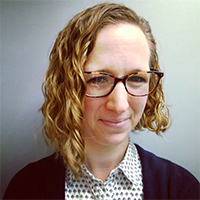
Colleen R. Evans is the Staten Island Museum’s Director of Natural Sciences. A biologist who specializes in museum collections, Evans also brings a wide knowledge of arthropods and science education to her post. She earned her BS and MS in Biology at the University of North Texas.
Read More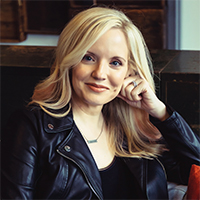
Kimberly Arcand is one of the world’s preeminent experts in astronomy visualization and has been a pioneer in 3D imaging and printing in this field. Arcand began her career in molecular biology and public health.
Read More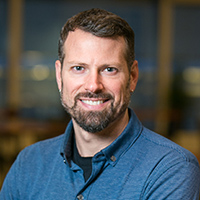
Nathan H. Lents is professor of Biology at John Jay College and author of two recent books: Not So Different and Human Errors. With degrees in molecular biology and human physiology, and a postdoctoral fellowship in computational genomics, Lents tackles the evolution of human biology from a broad interdisciplinary perspective.
Read More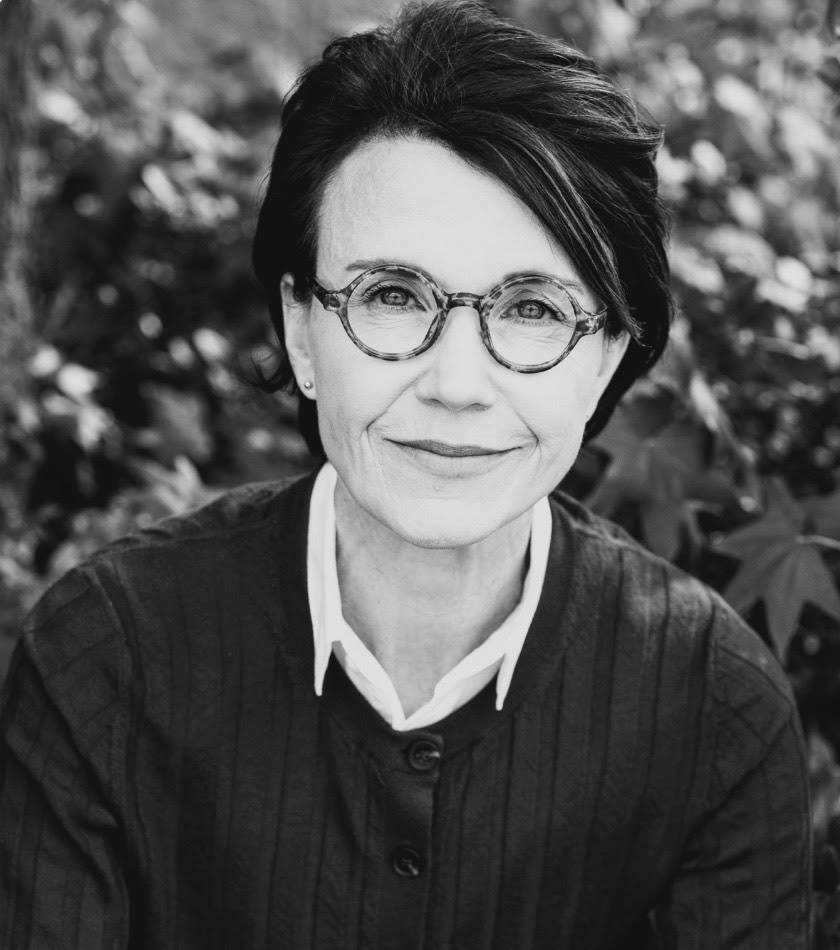
Barbara Natterson.-Horowitz, M.D., is a cardiologist and psychiatrist who turns to the natural world for insights into human health and development. Faculty in Harvard-MIT HST Program, Harvard Department of Human …
Read More
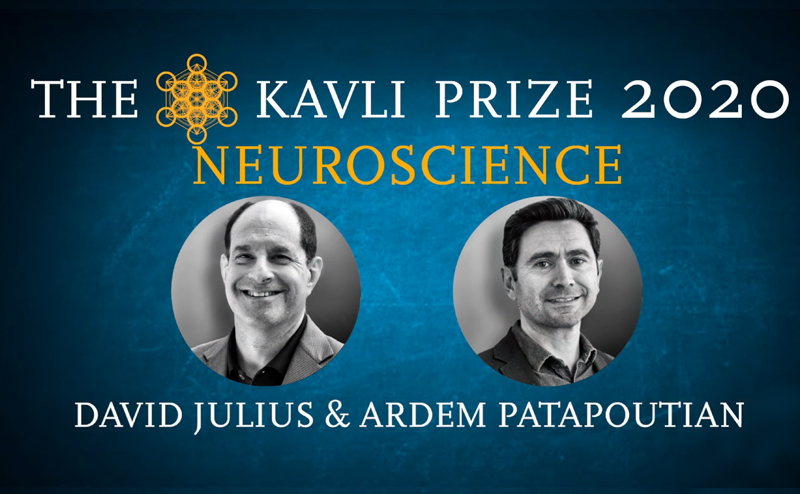
David Julius, PhD, is professor and chair of the Department of Physiology at UC San Francisco and holds the Morris Herzstein Chair in Molecular Biology and Medicine. He is a …
Read More
Nir Barzilai is the founding director of the Institute for Aging Research, the Nathan Shock Center of Excellence in the Basic Biology of Aging and the Paul F. Glenn Center …
Read More
Laura Niedernhofer is Director of the Institute on the Biology of Aging and Metabolism at the University of Minnesota, where she is also a professor of Biochemistry, Molecular Biology and …
Read More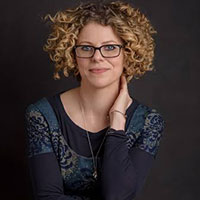
Dr Helen Scales teaches at Cambridge University, where she completed her PhD in Marine Biology. She is an avid scuba diver, and author of several bestselling books, most recently The …
Read More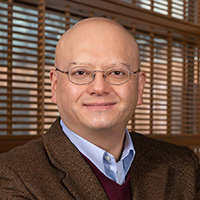
Takao Hensch has done groundbreaking research in understanding “critical windows” in the brain, and reopening them for therapeutic purposes. He is a Professor of Neurology at Boston Children’s Hospital Harvard …
Read More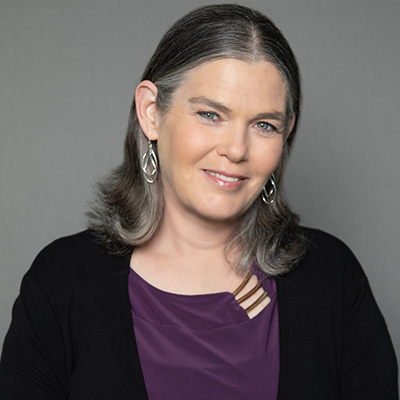
Daphne Koller is CEO and founder of Insitro, a machine learning-driven drug discovery and development company transforming the way drugs are discovered and delivered to patients. She was the co-founder, …
Read More