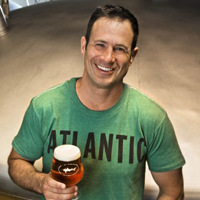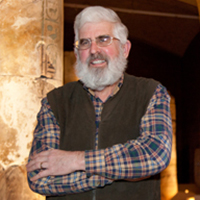
Brewing beer might well be humankind’s first biotechnology, representing our first attempt to harness the power of living organisms. Dating back as early as 9000 BC, the craft galvanized the cultivation of barley and wheat, transformed hunter-gatherers into farmers and fueled the building of monumental structures, such as the pyramids, whose workers received five liters of beer per day as compensation. What did those ancient brews taste like? How were they made? Advanced scientific tools and new archaeological finds offer up tantalizing clues—and tasty results. Join biomolecular archaeologist Patrick McGovern and pioneering brewmaster Sam Calagione as they explore ancient ales from around the world and retrace their journey to Italy to reconstruct an Etruscan fermented beverage circa 800 to 700 BC. This rare brew features an exotic combination of ingredients: hazelnuts, pomegranates, grapes, wild flower honey, frankincense, barley, wheat, and even a few hops. Following the talk and tasting, head up to Eataly’s rooftop brewery, La Birreria, to sample a first-run batch of this prehistoric ale before fermentation. It’s a sensational evening of artisanal snacks, Dogfish Head Ancient Ales and fascinating science.
Search Icon